
Icon techniqueWhat is it?
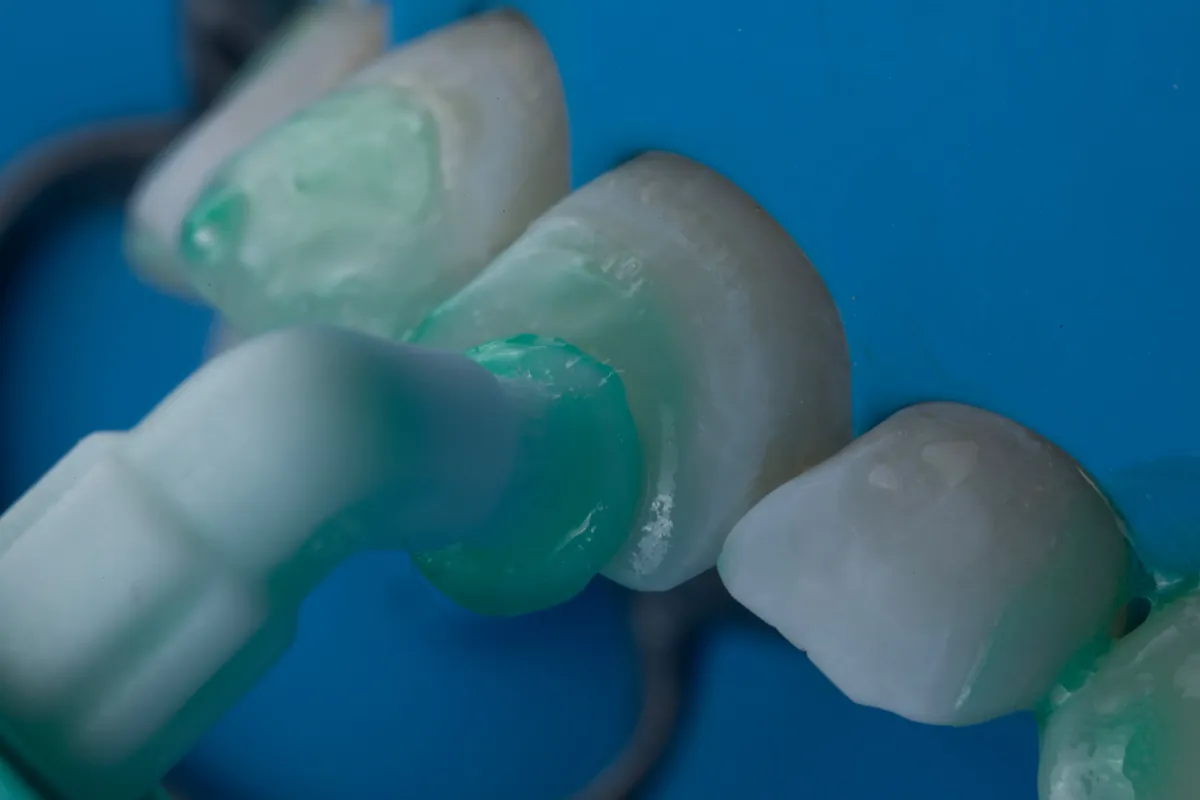
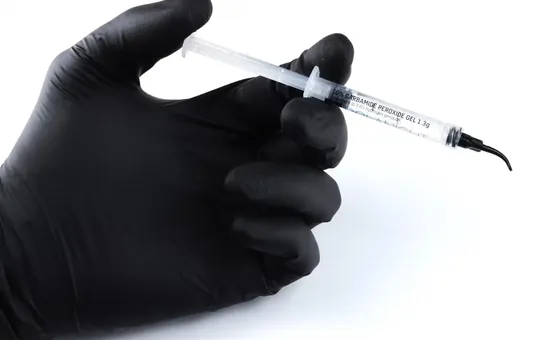
The ICON technique is a flowable resin infiltration protocol that lastingly masks white or brown spots located on the enamel. This micro-invasive approach requires no mechanical preparation, no anaesthesia and no prosthetic restoration.
At the practice in Levallois-Perret (92300), Dr Bruno Abehassera carries out this treatment for specific indications: fluorosis, MIH (Molar Incisor Hypomineralisation), white spots after orthodontic treatment, or the after-effects of old trauma on permanent teeth while they were forming.
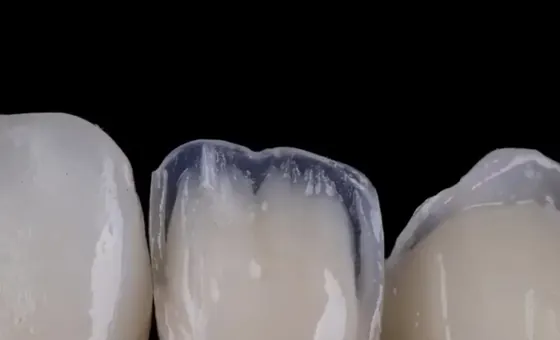
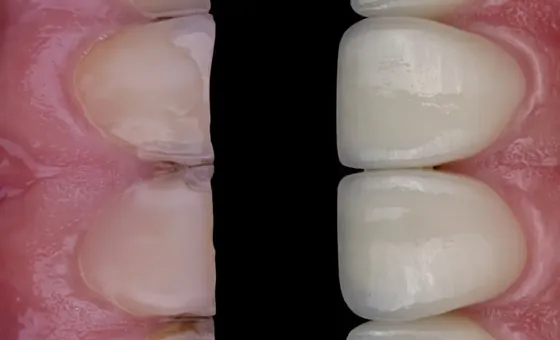
The principle relies on a simple physical reaction. The resin penetrates the porous enamel by capillary action, fills the micro-pores responsible for the optical contrast, then is light-cured. The optical properties of the enamel are restored and the spot visually disappears.
The treatment is usually painless or nearly painless and takes place in a single appointment of about one to two hours. The result is visible by the end of the session and generally stable over time, with no specific maintenance. ICON is part of a conservative approach to the smile.
IndicationsWhen should you consider the Icon technique?
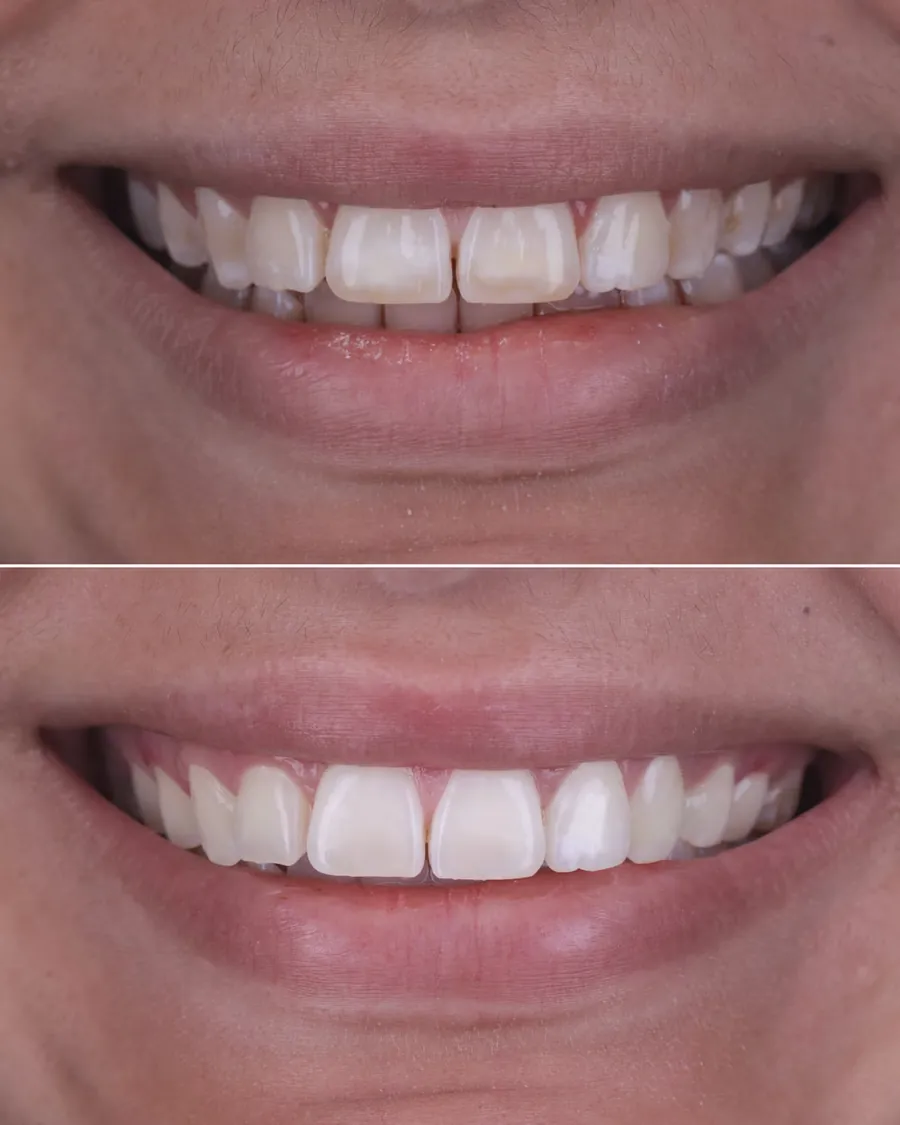
Fluorosis
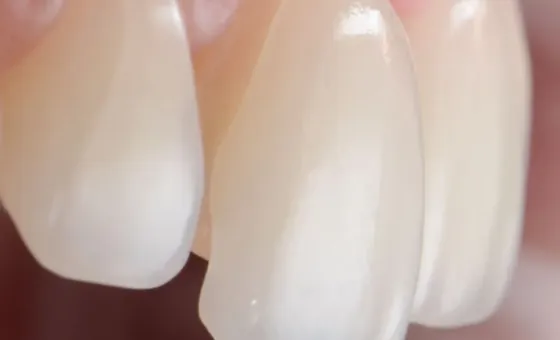
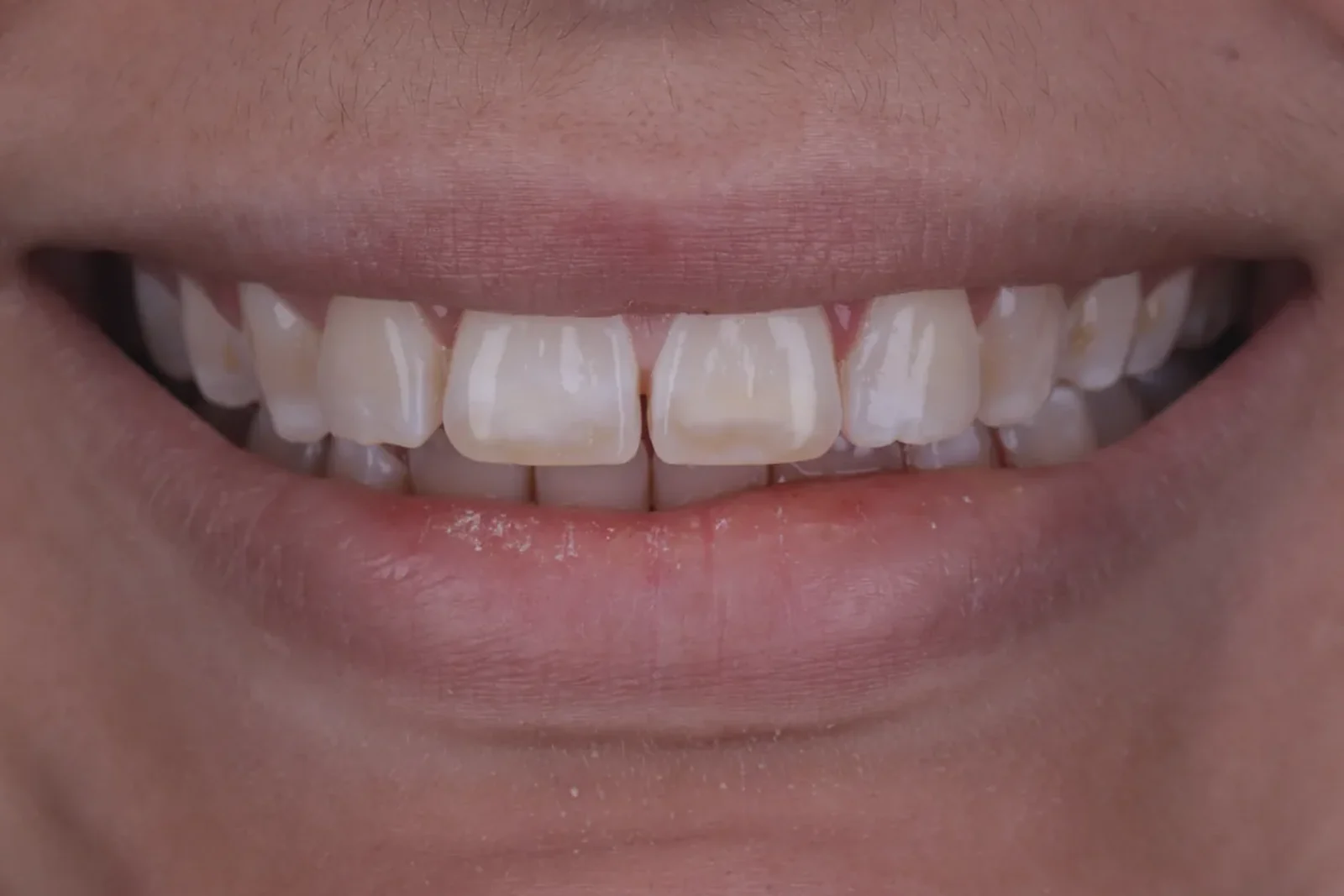
Diffuse white spots caused by overexposure to fluoride while the enamel was forming. These enamel hypomineralisations are a classic indication for the ICON resin infiltration technique.
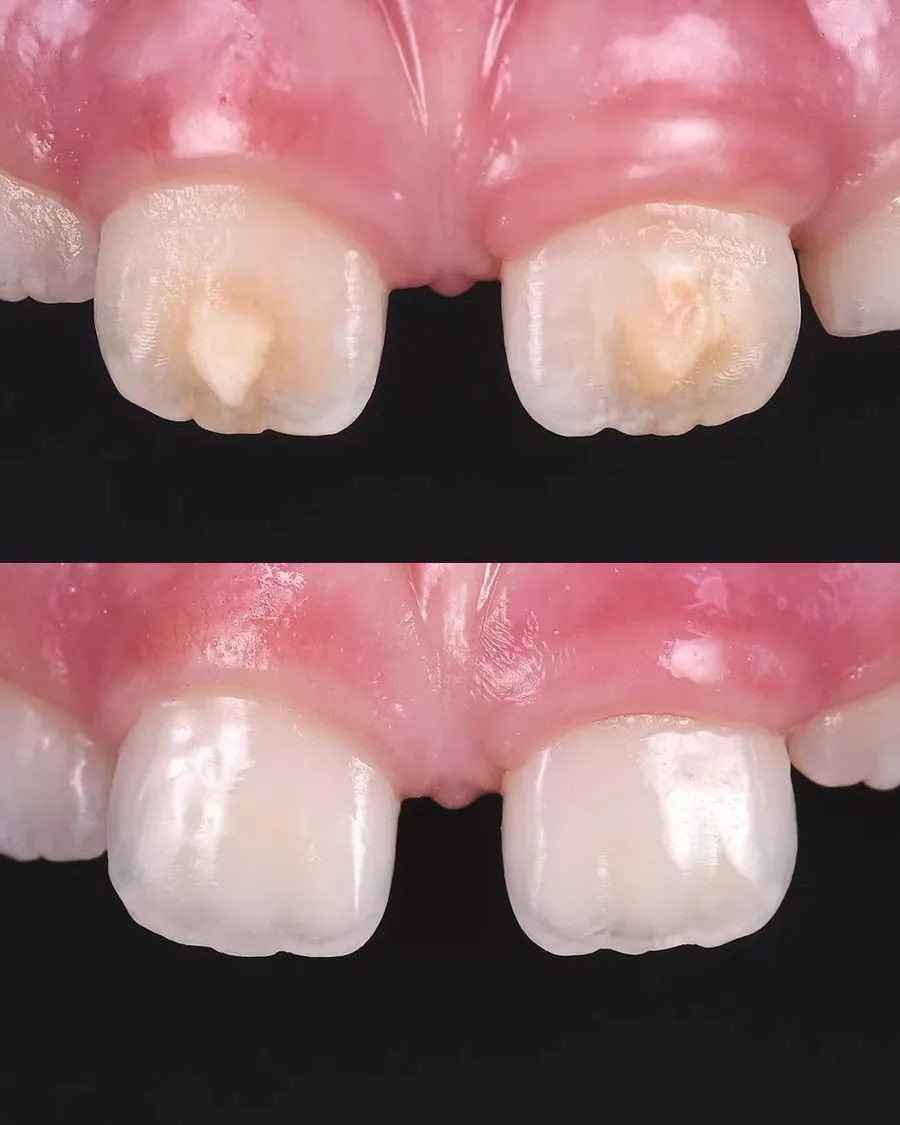
MIH (hypomineralisation)
Abnormalities in the mineralisation of the enamel (Molar Incisor Hypomineralisation) that occurred while the teeth were developing. Resin infiltration masks these creamy-white spots by restoring the natural opacity of the enamel.
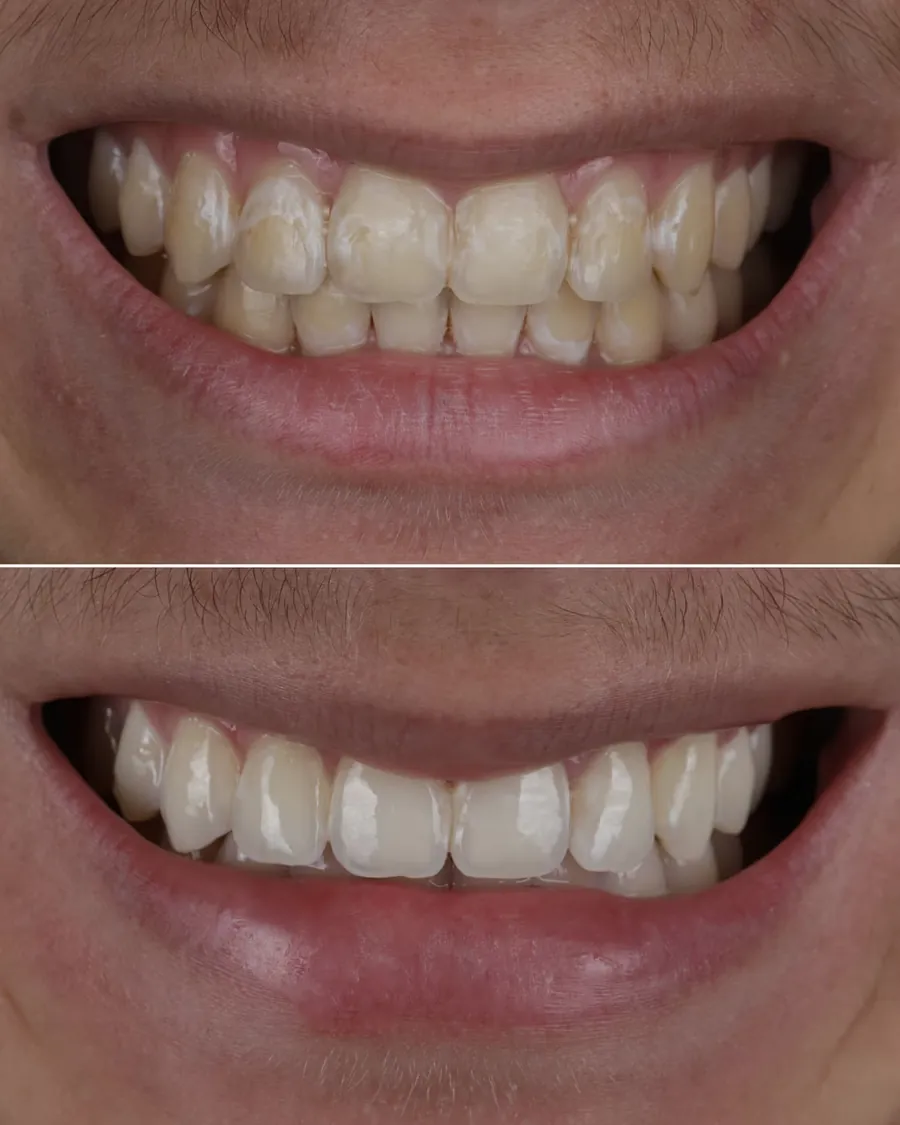
White spots after orthodontic treatment
Demineralised areas that appeared around the brackets after orthodontic treatment, forming opaque white spots on the enamel. A preferred post-orthodontic indication for the ICON resin infiltration technique.
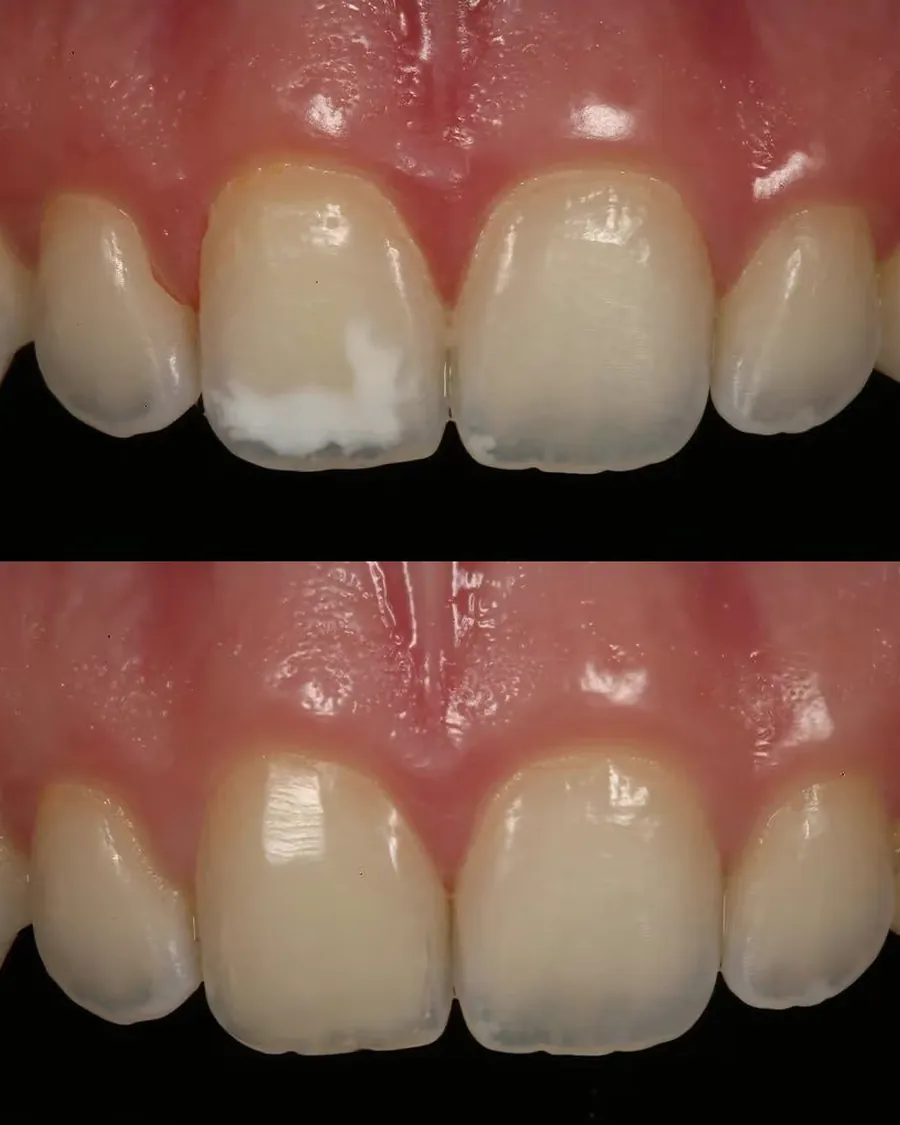
After-effects of trauma
Localised white spots following an old knock to a tooth while it was forming. Resin infiltration can mask these superficial after-effects of trauma without invasive preparation of the tooth.
Treatment philosophyA targeted, non-invasive approach
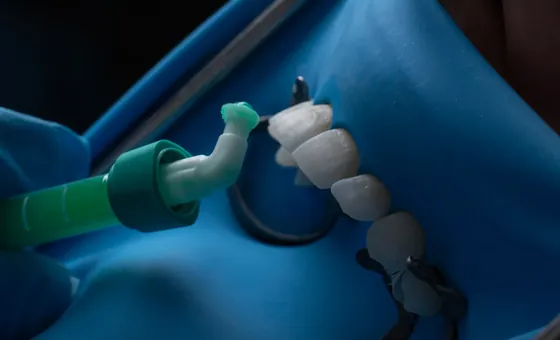
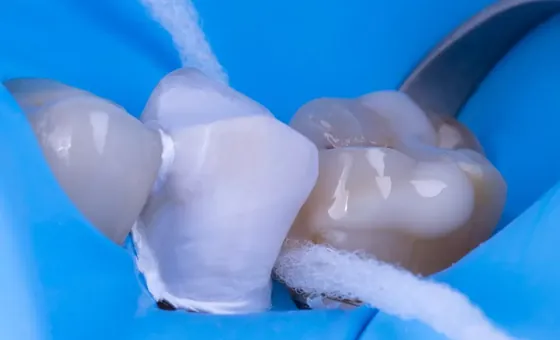
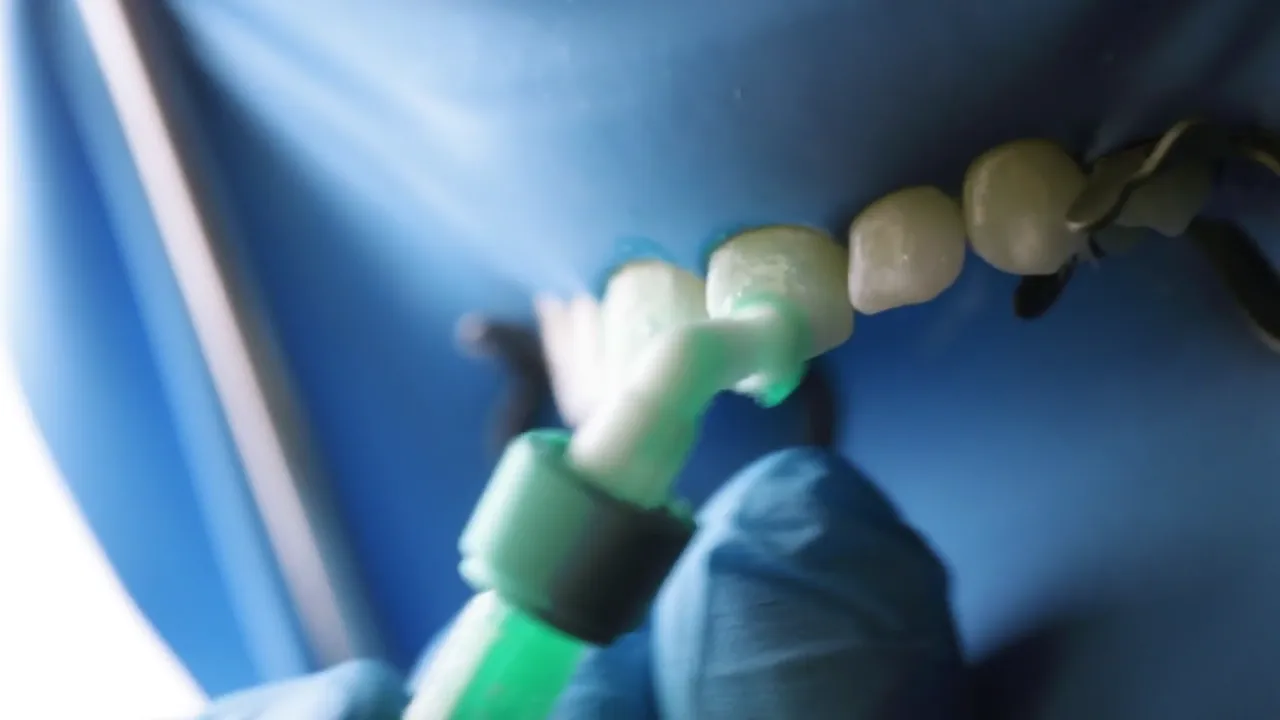
ICON treatment follows a set sequence: isolation, etching, rinsing and drying, drying with ethanol, then resin infiltration in two stages with light-curing, followed by finishing and polishing.
At the practice in Levallois-Perret (92300), strict adherence to this protocol determines how well the resin penetrates the porous enamel and the aesthetic integration of the result.
By restoring the optical properties of the enamel through resin infiltration, this technique softens the spots in a subtle and lasting way, while respecting the integrity and the history of the smile.
Which solution for my white spots?Understanding when Icon is indicated
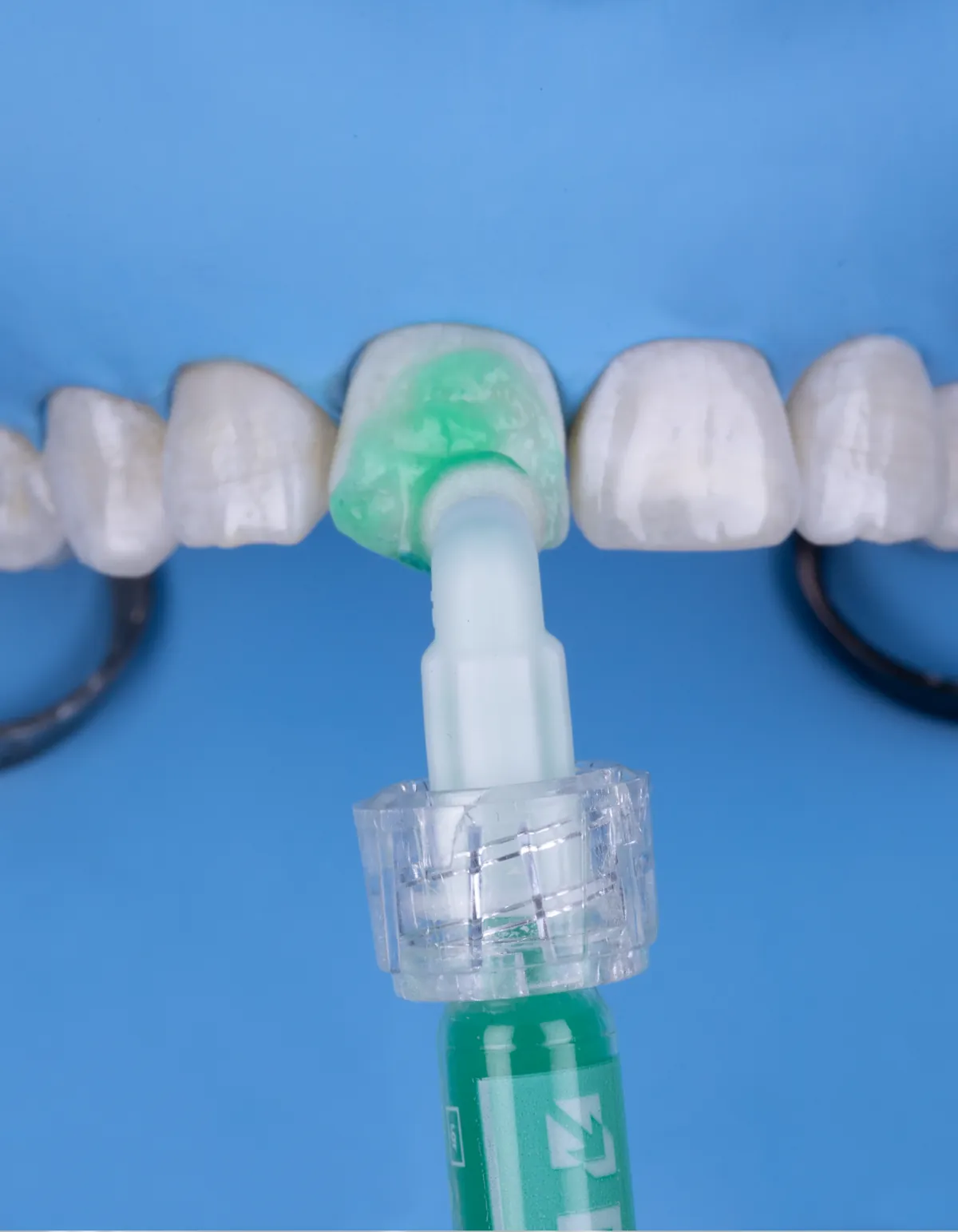
Not all white or brown spots are treated in the same way. The choice of technique depends on the nature of the spot, its depth in the enamel and the overall condition of the smile. Here is a simplified decision guide, to be confirmed by a clinical examination at the practice in Levallois-Perret (92300).
This simplified guide does not replace a precise clinical diagnosis. During the consultation at the practice, Dr Bruno Abehassera assesses the exact nature of each spot, its depth and whether it is changing, in order to offer the most suitable technique. In some cases, several approaches can be combined: whitening beforehand followed by ICON treatment, or ICON treatment completed by a finishing composite on the most marked areas.
Are my white spots superficial (on the enamel only)?
Flowable resin infiltration
1 appointment · no anaesthesia · minimally invasiveThis decision guide is indicative. Only a thorough clinical examination can establish the right diagnosis and determine the technique suited to each situation.
Clinical casesExamples of treatments performed
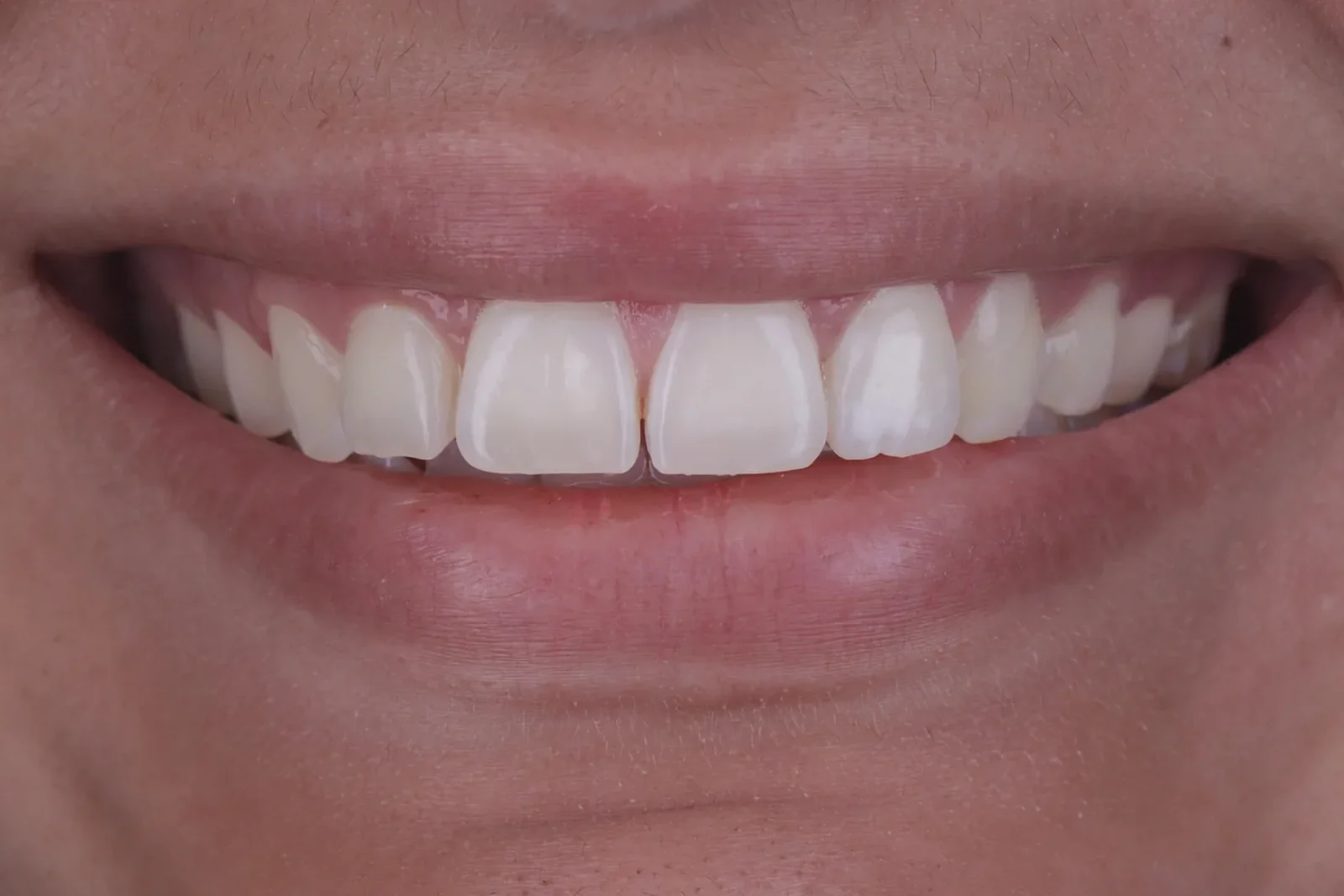 BeforeAfter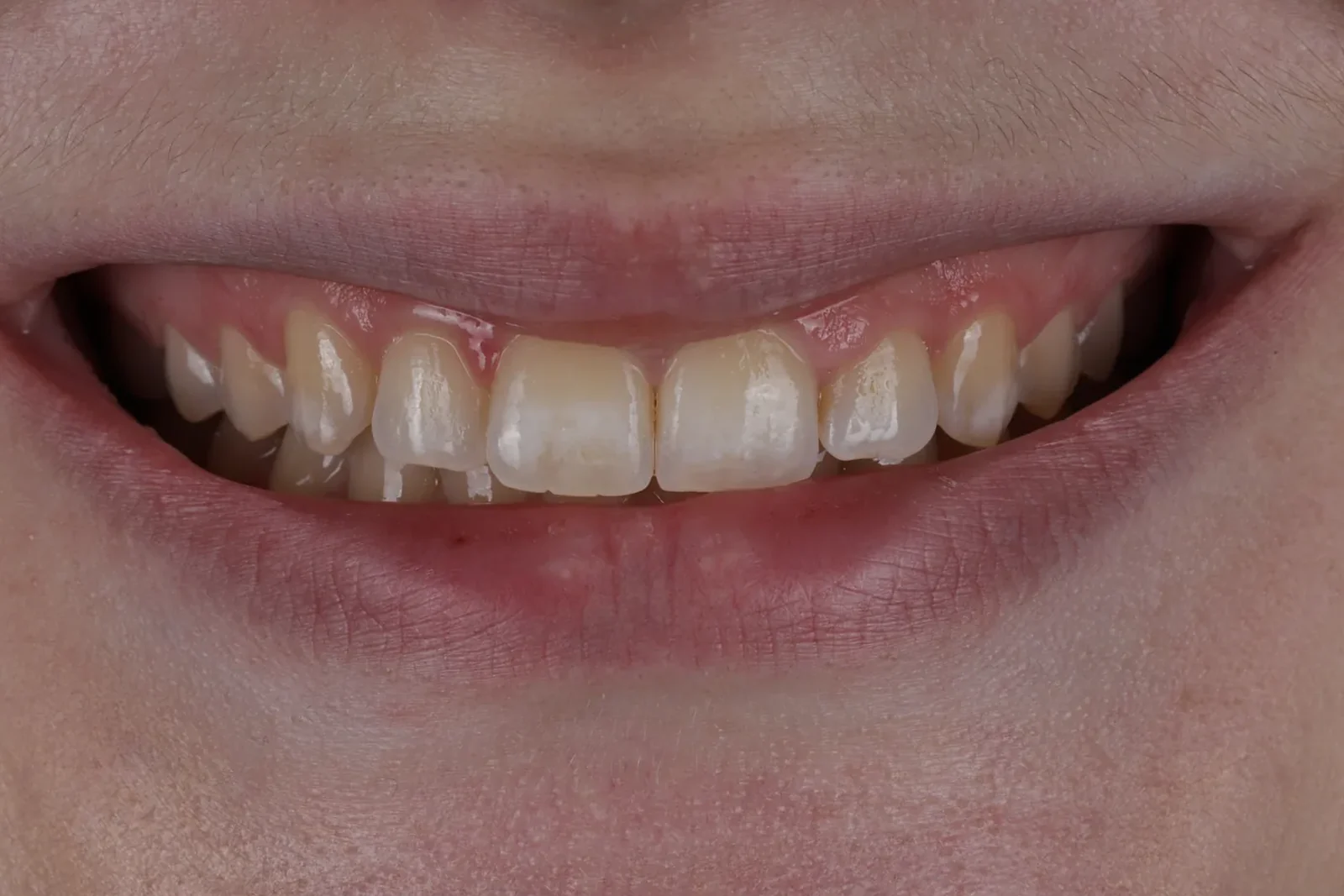
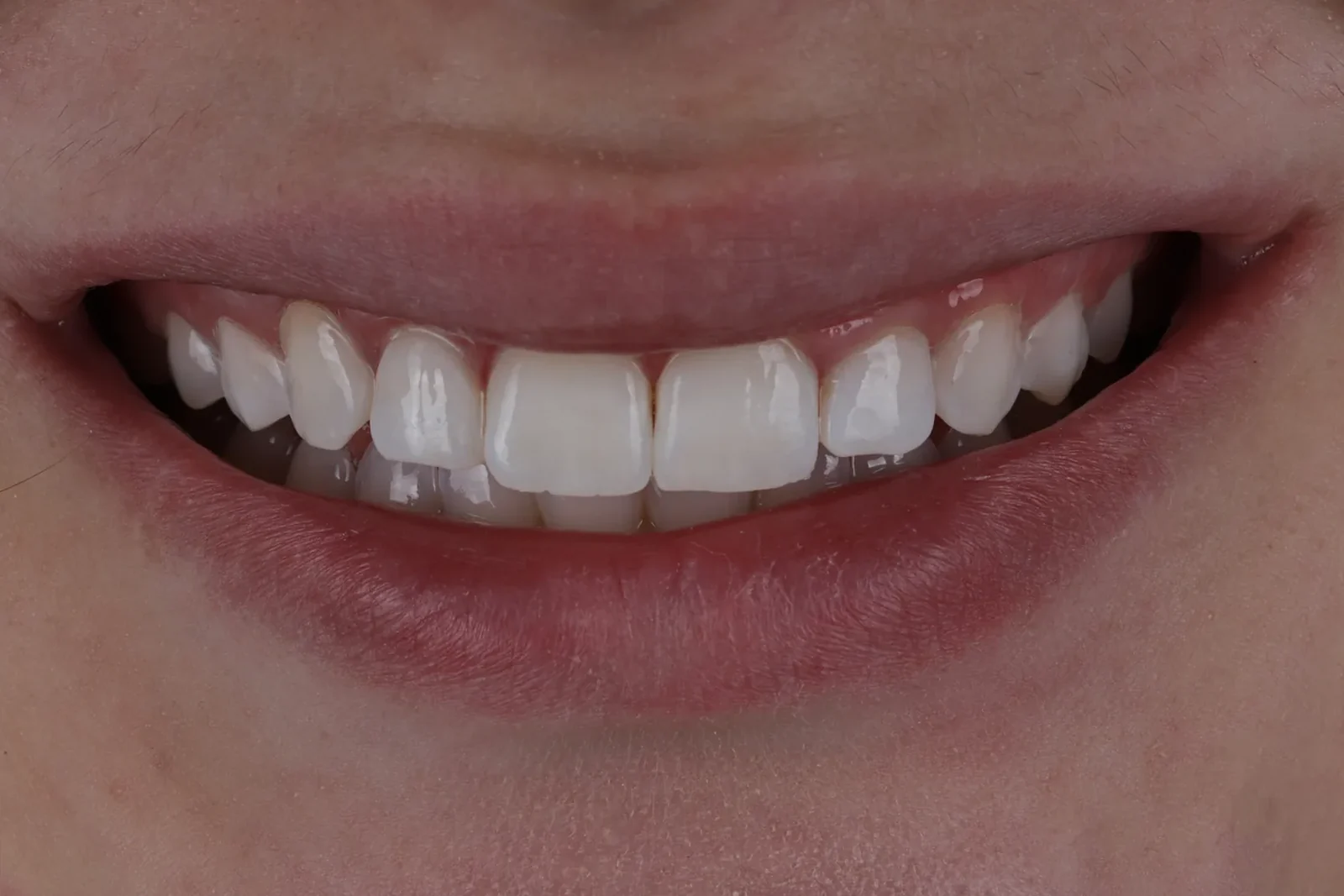 BeforeAfter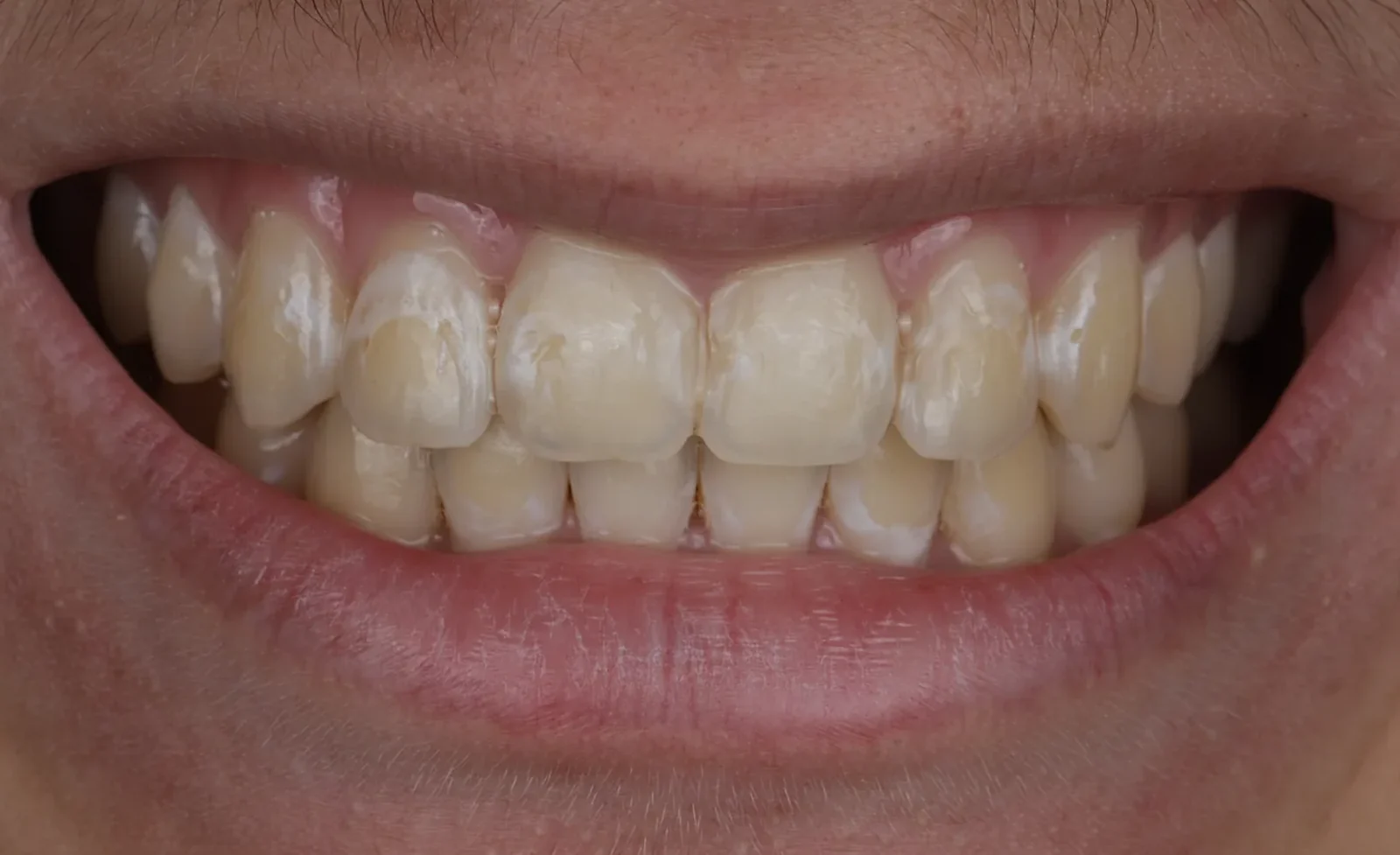
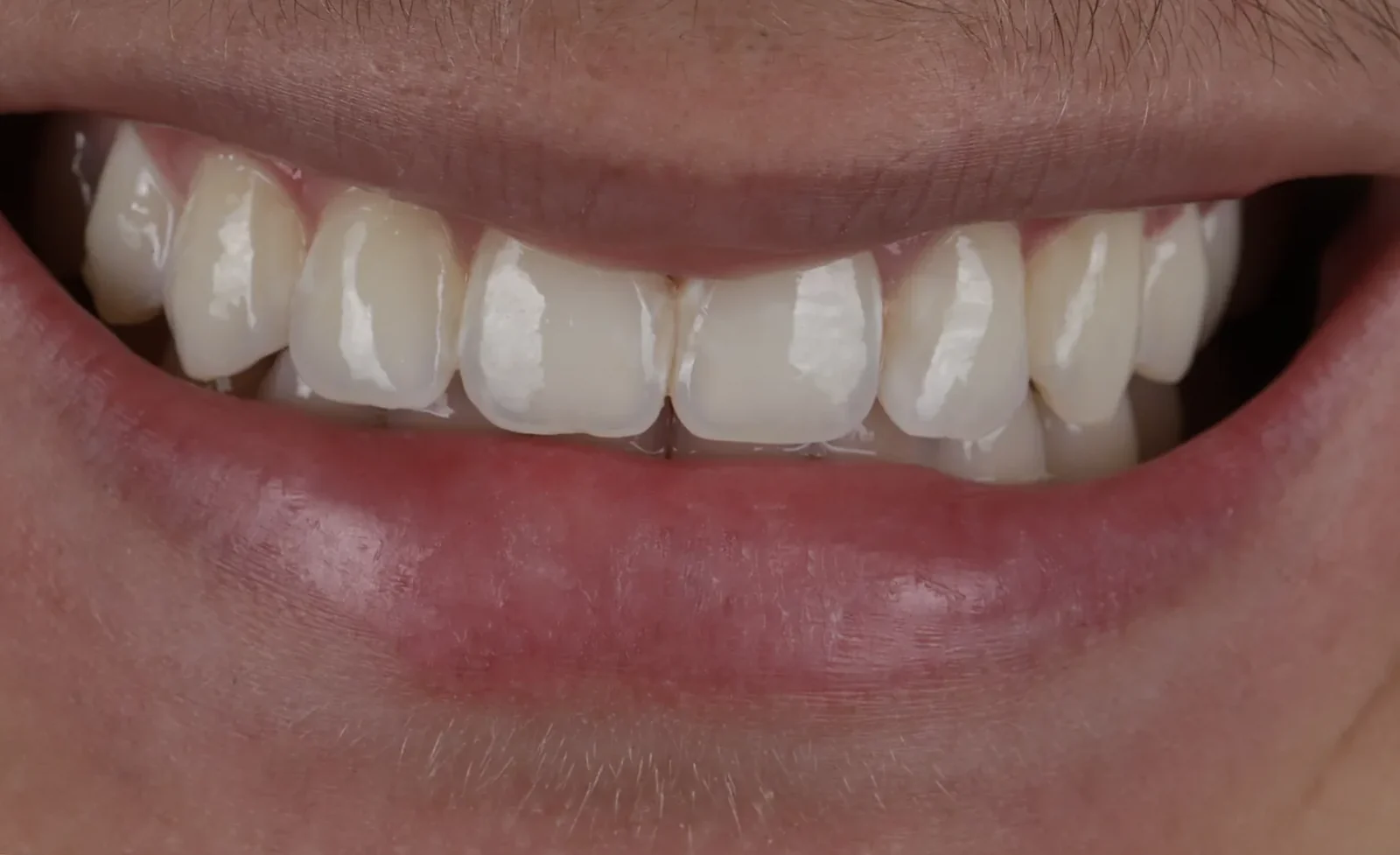 BeforeAfter
Cost and coverageTransparent pricing
At the practice in Levallois-Perret (92300), Dr Bruno Abehassera applies transparent pricing for the ICON technique.
Because the ICON technique is considered a cosmetic dental procedure, it is not covered by French national health insurance (Sécurité sociale), which does not recognise this procedure in its care pathway. Some top-up health insurance plans (mutuelles) include a cosmetic dentistry allowance: check the conditions with your provider.
The fee for ICON treatment depends on several factors: the number of teeth treated, the extent of the spots to be infiltrated, the depth of the micro-pores identified and whether whitening is needed beforehand to even out the base shade. When the spots are too deep for resin infiltration, the consultation may turn towards layered composite bonding or veneers, depending on the remaining damage.
| Service | Indicative fee |
|---|---|
| ICON on a single tooth | €500 |
| ICON on 2 to 3 teeth | €800 |
| ICON on all the front teeth (canine to canine) | €1,200 |
| Whitening beforehand — recommended in most cases to even out the shade | €600 |
Every ICON treatment starts with a thorough diagnostic assessment: clinical examination, calibrated clinical photographs, identification of the nature of the spots (hypomineralisation, fluorosis, after-effects of old trauma) and assessment of their depth in the enamel. This step determines how predictable the result is and makes it possible to decide between resin infiltration, whitening beforehand and referral to another technique. No treatment is started without this prior diagnostic approval.
These amounts are given for information only. A detailed quote is provided at the initial diagnostic consultation, after a clinical examination and an assessment of the situation, allowing you, where relevant, to send it to your top-up insurer for review.
A practice in Levallois-Perretclose to west Paris and the Hauts-de-Seine
Mon Cabinet Dentaire, where Dr Bruno Abehassera works, is located at 119 rue du Président Wilson, Levallois-Perret (92300), in the heart of the Hauts-de-Seine. Patients come from all over the Paris area for ICON treatments using the flowable resin infiltration technique, with a minimally invasive approach that respects the enamel and healthy tooth tissue.
Many patients come to the practice from Neuilly-sur-Seine, the 17th arrondissement of Paris, the 16th arrondissement of Paris, Asnières, Clichy or Courbevoie. Being close makes it easier to reach the practice for ICON treatment, which may require a prior consultation for the diagnosis, followed by a single appointment for the treatment itself, sometimes preceded by whitening spread over two to three weeks.
The practice is easy to reach from:
- Levallois-Perret (metro line 3, Pont de Levallois station)
- Neuilly-sur-Seine (5 to 10 minutes by car)
- Paris 17th, Paris 16th (10 to 20 minutes)
- Asnières, Clichy, Courbevoie and La Défense (10 to 20 minutes)
Beyond the immediate area, some patients travel further for a minimally invasive approach to the smile. This approach favours keeping the natural enamel through resin infiltration, rather than the mechanical preparation needed for a prosthetic restoration. The distinction between ICON, whitening and aesthetic restoration depends on the exact nature of the spots and is an integral part of the initial diagnostic consultation.
Appointments for a consultation can be booked directly online via Doctolib or by phone on +33 1 42 67 05 04. Consultations can be held in English. The initial consultation is an opportunity to assess the indications precisely, discuss the choice between ICON, whitening, layered composite bonding or a porcelain veneer, and provide a detailed quote. No commitment is asked of you at this stage.
Frequently asked questionsWhat patients ask me most often
Does ICON treatment damage the teeth?
No, the ICON technique is a micro-invasive approach that requires no drilling, no anaesthesia and no removal of healthy enamel. It consists of infiltrating a flowable resin into the micro-pores of the porous enamel to restore its optical properties. The light etching carried out beforehand, with 15% hydrochloric acid, only affects the surface layer of the lesion, without altering the healthy tooth structure. It is a technique that is very respectful of the tooth.
Which types of spots is ICON treatment suitable for?
The ICON technique is indicated for superficial white or brown spots linked to a localised change in the enamel. The main indications are fluorosis (mild to moderate), MIH (Molar Incisor Hypomineralisation), white spots that appeared after orthodontic treatment, and some after-effects of old trauma on permanent teeth. ICON does not treat active decay, deep spots within the dentine, or structural damage that requires a prosthetic restoration.
Is the treatment painful?
No, ICON treatment is usually painless or nearly painless. No anaesthesia is needed, because the technique does not touch the dental pulp or the vascularised dentine. The only possible discomfort is a slight feeling of coolness when drying with ethanol, which is easily bearable. A rubber dam is placed to isolate the treated teeth from the soft tissues (gums, lips) and from saliva during the procedure.
Is the result long-lasting?
Yes, the result of the ICON technique is stable over time in the great majority of cases. The infiltration resin polymerises and remains chemically bonded to the treated enamel. Clinical studies show that the aesthetic result holds up well over several years. A few simple precautions extend its stability: avoid prolonged exposure to strongly colouring drinks (coffee, wine, tea) in the days following treatment, and maintain thorough oral hygiene. No specific maintenance is needed beyond your usual check-ups.
Should whitening be done before ICON treatment?
In most cases, teeth whitening is recommended before ICON treatment. The reason is simple: ICON masks the spot by restoring the optical properties of the surrounding enamel. If the base shade of the teeth remains yellowed or uneven, the remaining contrast can reduce the final aesthetic result. Whitening beforehand evens out the overall shade and lets the ICON technique work on an optically even base. This two-step strategy optimises the aesthetic result and its stability over time.
Are there alternatives to ICON treatment?
Yes, several alternatives exist depending on the depth of the spot and the condition of the tooth. For deep spots within the dentine, layered composite bonding or porcelain veneers are preferred. For overall discolouration (uniform yellowing), teeth whitening is often enough. For structural damage (fractures, significant wear), a prosthetic restoration is needed. The clinical diagnosis makes it possible to establish the right indication case by case, always favouring the least invasive technique when possible.
How long does an ICON treatment appointment last?
An ICON treatment appointment usually lasts between one and two hours, depending on the number of teeth treated and the complexity of the case. The protocol includes several successive steps: diagnosis and photographs, scaling if necessary, rubber-dam isolation, etching, drying with ethanol, two rounds of resin infiltration with light-curing, then finishing and polishing. A single appointment is enough in most cases, with no routine follow-up appointment needed.
Is ICON treatment suitable for children and teenagers?
Yes, the ICON technique is particularly suited to teenagers and young adults, especially for treating white spots after orthodontic treatment and MIH lesions on permanent incisors. Being minimally invasive, needing no anaesthesia and being done in a single appointment make it an option of choice for this age group. The technique is generally carried out from the age of 7 or 8, once the permanent teeth are in place and their root development is sufficiently advanced. A case-by-case diagnosis determines the best time to treat.
Are there contraindications to the ICON technique?
Yes, there are several contraindications. The ICON technique is not indicated in the presence of active decay or untreated cavities. It is not suitable for deep spots within the dentine, severe hypoplasia with loss of enamel, or fractures and significant wear that require a prosthetic restoration. A known allergy to any of the components of the resin is also a contraindication. Finally, effectiveness is limited in patients whose permanent teeth have not yet stabilised. A prior clinical examination makes it possible to rule out any contraindication.
How much does ICON treatment cost at the practice in Levallois-Perret?
At Dr Bruno Abehassera's practice in Levallois-Perret (92300), the price of the ICON technique on a single tooth is about €500. For all the front teeth (canine to canine), the cost is around €1,200. When teeth whitening is recommended beforehand to even out the overall shade, allow about €600 more. The ICON technique is a cosmetic dentistry procedure that is not reimbursed by French national health insurance. A personalised quote is always provided at the consultation, with no commitment.
Written by Dr Bruno Abehassera, dental surgeon · Updated