
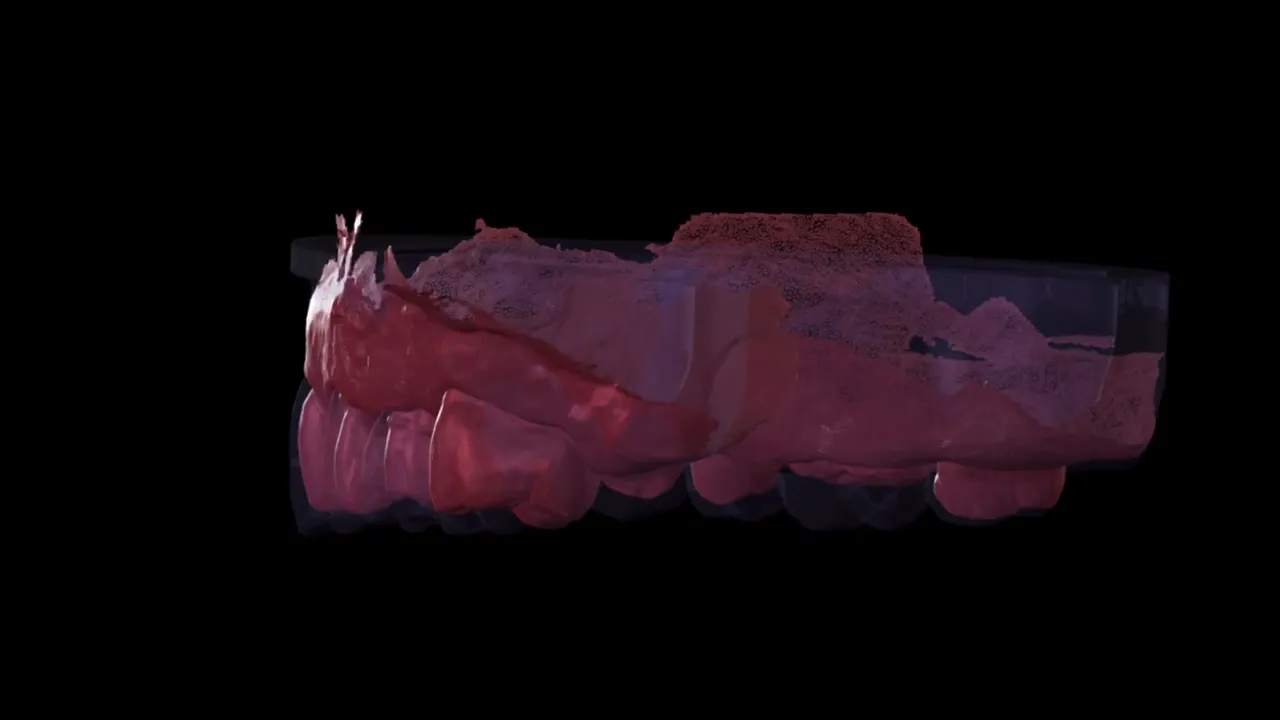
Tooth wearUnderstanding it to correct it better
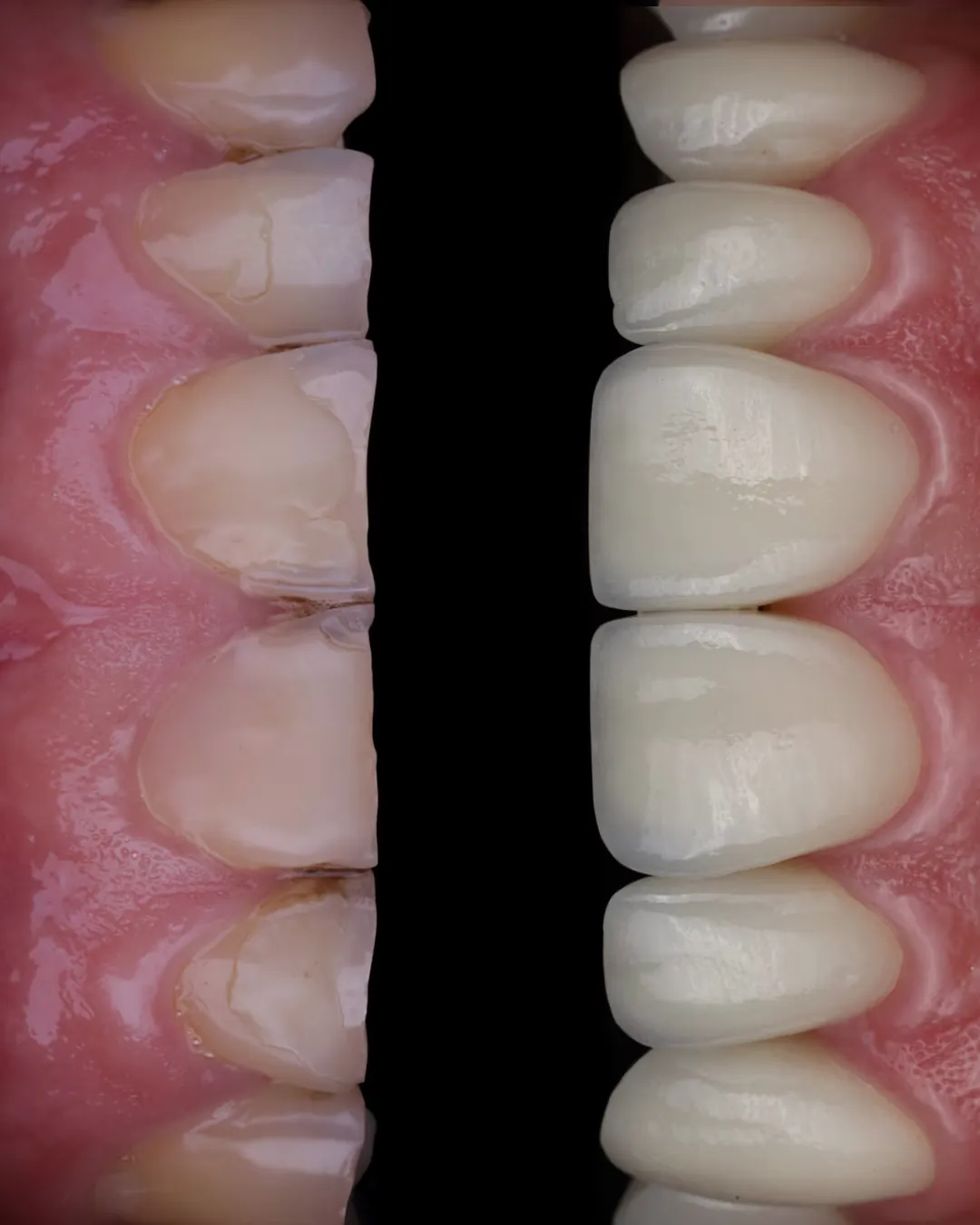
Tooth wear is a progressive and irreversible loss of tooth tissue. It now affects younger and younger patients, as a result of bruxism (teeth grinding), an acidic diet, gastro-oesophageal reflux or bite problems. In most cases, attrition, erosion and abrasion occur together.
At the practice in Levallois-Perret (92300), Dr Bruno Abehassera treats advanced wear with a conservative aesthetic rehabilitation approach: identify the cause before restoring, recreate the lost space without removing more tooth, and preserve the existing tooth structure.
This approach is built around three stages supported by the international literature on adhesive dentistry. Three clinical levels are distinguished: preventive, to neutralise the risk factors; interceptive, to stabilise moderate wear with non-invasive techniques; and rehabilitation, when the tissue loss is advanced.
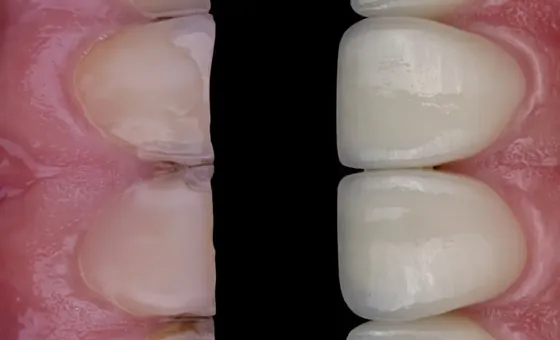
Rehabilitations are based on an overall analysis of the smile and the bite, guided by a diagnostic wax-up and a controlled increase in the vertical dimension (the height of the bite). In cases of severe wear, the approach is comprehensive: a partial correction would create compensations that are difficult to stabilise over time.
IndicationsWhat types of tooth wear call for treatment?
Wear from bruxism
Mechanical wear caused by excessive tooth-against-tooth friction, often at night. It shows as a reduction in the height of the teeth, a flattening of the smile and progressive imbalances in the bite.
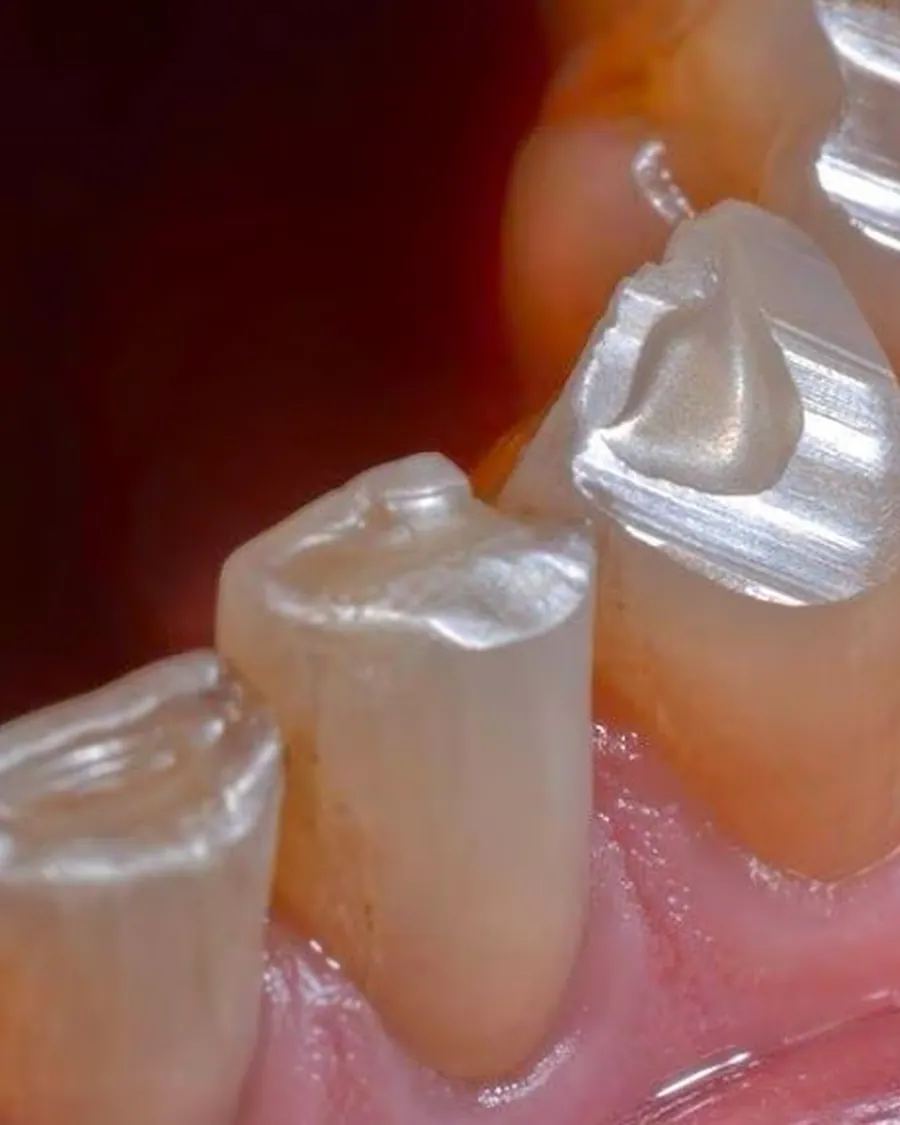
Abrasive wear
Progressive damage to the tooth enamel from external mechanical forces. Overly aggressive brushing, a hard toothbrush or parafunctional habits can weaken the tooth surfaces over the long term.
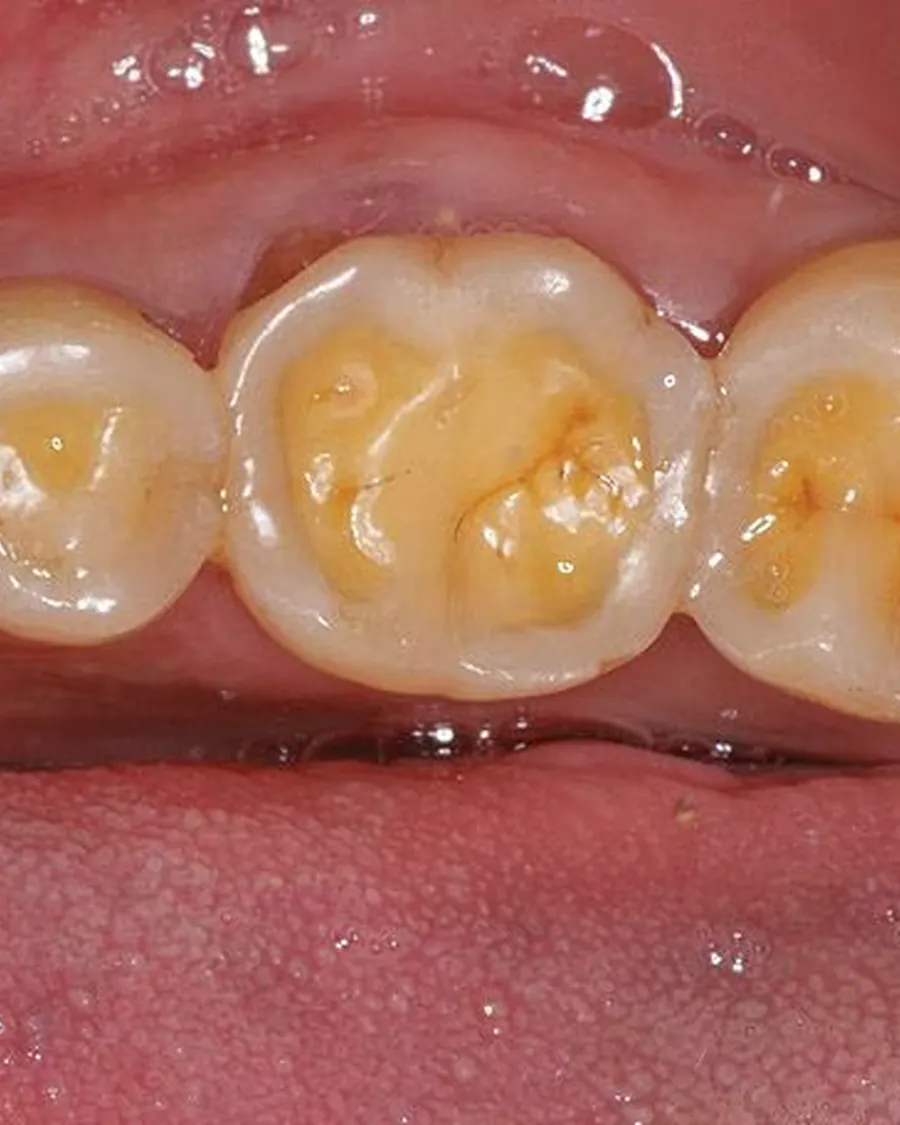
Erosive wear (reflux, acids)
Chemical dissolution of the enamel by external acids (food, sugary drinks) or internal acids (gastro-oesophageal reflux, eating disorders). It can be recognised by the smooth, shiny appearance of the affected surfaces.
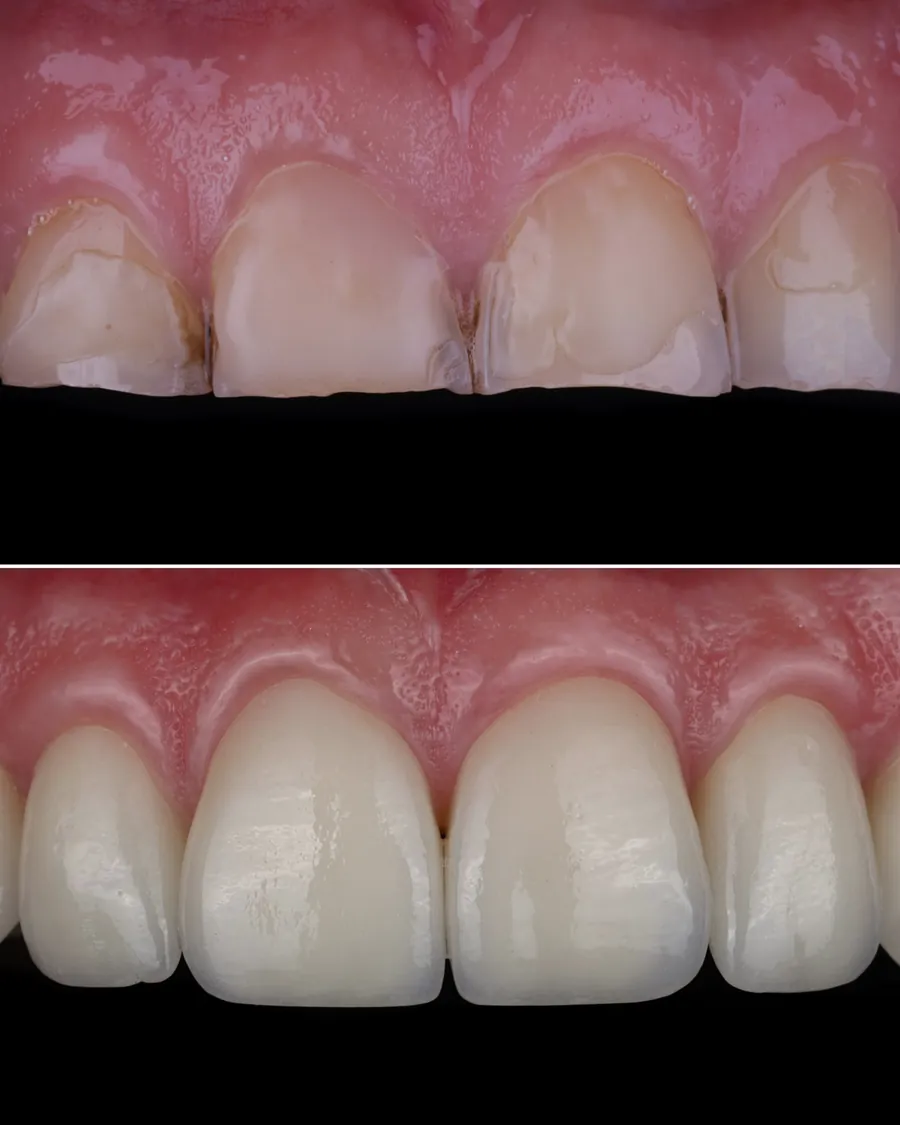
Mixed wear
A combination of several wear mechanisms — the most common situation in practice. A main cause is often accompanied by secondary causes that reinforce each other, which calls for a precise analysis of the causes before any treatment.
Treatment philosophyRecreating space to restore while preserving
Treating tooth wear relies on a comprehensive, forward-planned approach. It begins with a precise analysis of the smile, function and bite, guided by a diagnostic wax-up, to define the space needed for a restoration that respects the tissues.
Depending on the stage of wear, the approach takes the form of prevention (night guard, control of risk factors), interception with no-preparation adhesive techniques for moderate wear, or full rehabilitation when the tissue loss makes it necessary to recreate the lost space. A controlled increase in the vertical dimension then restores the height, the stability of the bite and the harmony of the smile, without removing more tooth.
These rehabilitations are guided by overall balance. In cases of severe wear, a partial correction creates compensations that are difficult to stabilise. The approach then follows an all-or-nothing rule, the only way to aim for a stable and lasting result over time.
A 3-stage approachPrevent, intercept or rehabilitate depending on the stage of wear
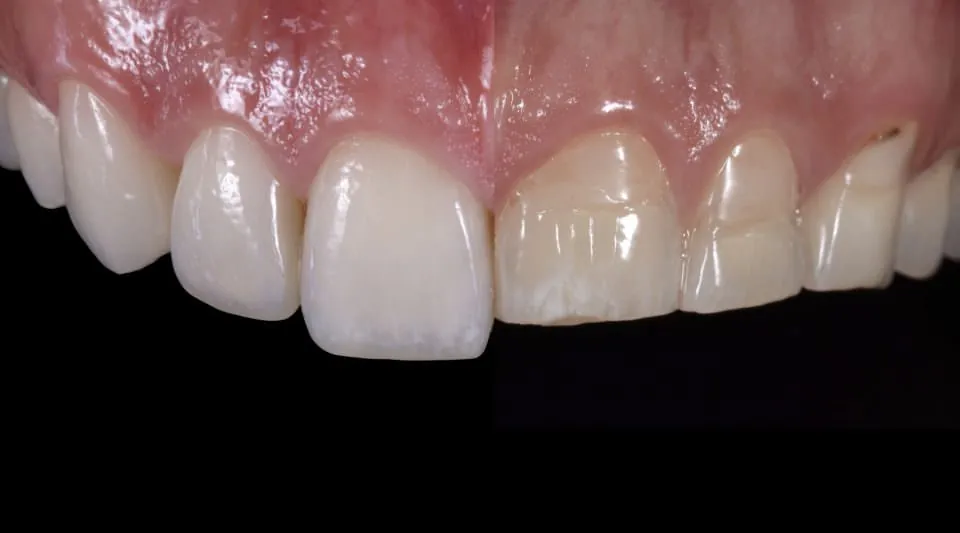
Not all wear is treated the same way. The choice of treatment depends on the clinical stage at the time of diagnosis and on the risk factors identified. The earlier the intervention, the more conservative it is. Three clinical stages are distinguished: preventive when wear is just beginning, interceptive when it is moderate but can still be stabilised without preparing the teeth, and restorative when a full restoration is needed to restore function and appearance.
Our practice in Levallois-Perret always favours the least invasive approaches compatible with the clinical stage observed. When there is still an opportunity for prevention or interception, it is always taken first. Moving too early to an indirect rehabilitation means a loss of tissue that can never be recovered. At the cosmetic consultation, Dr Bruno Abehassera carries out a full analysis of the causes - bite, dietary and parafunctional factors - to determine the appropriate level of treatment. In some cases, interception and rehabilitation are combined with veneers or layered composite on the front teeth.
← Swipe to compare →
| Criterion | Preventive | Interceptive | Rehabilitation |
|---|---|---|---|
| Stage of wear | Early, or risk factors identified | Mild to moderate, localised tissue loss | Advanced to severe, generalised tissue loss |
| Patient profile | Young adult, sleep bruxism identified, known reflux | Adult with visible but symptom-free wear | Adult with functional and aesthetic imbalance |
| Clinical goal | Stop the progression at its source | Stabilise without preparing healthy tissue | Restore the vertical dimension and overall harmony |
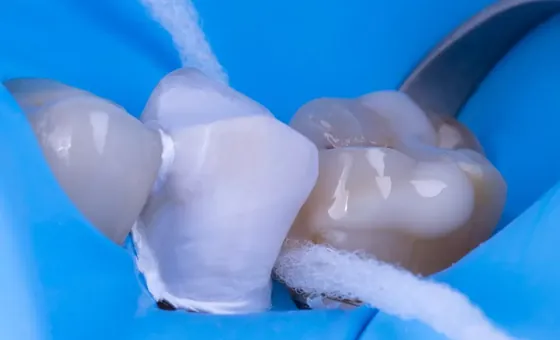
| Treatment approach | Night guard, dietary control, treatment of reflux | No-preparation adhesive restorations, direct or semi-direct composite | Adhesive onlays and overlays, minimally invasive indirect restorations |
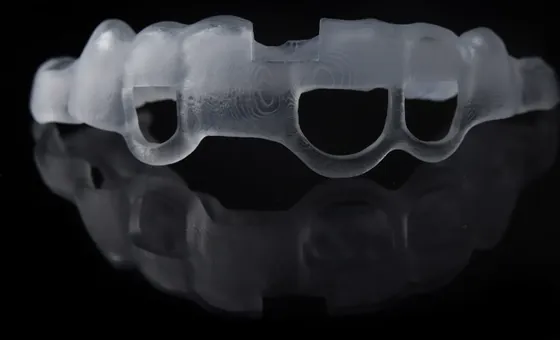
| Materials | No restorative material — behavioural and functional protocol | Resin composite, moulding technique using a clear silicone key | Adhesive glass ceramic, indirect composite, bonded restorations |
| Tissue preservation | Maximum — no intervention on the tooth | Very high — no preparation, additive technique | High — minimal preparation, dictated by the existing loss |
| Reversibility | Complete | High — touch-ups and repairs possible | Limited — permanent bonded restoration |
| Follow-up | Yearly reassessment of risk factors | Check-up at 6 months then yearly, touch-ups if needed | Regular maintenance of the bite and bonding, protective night guard |
Preventive measures — night guard, control of the causal factors, treatment of reflux — are always maintained during interceptive or rehabilitative treatment. The longevity of the clinical result depends on them.
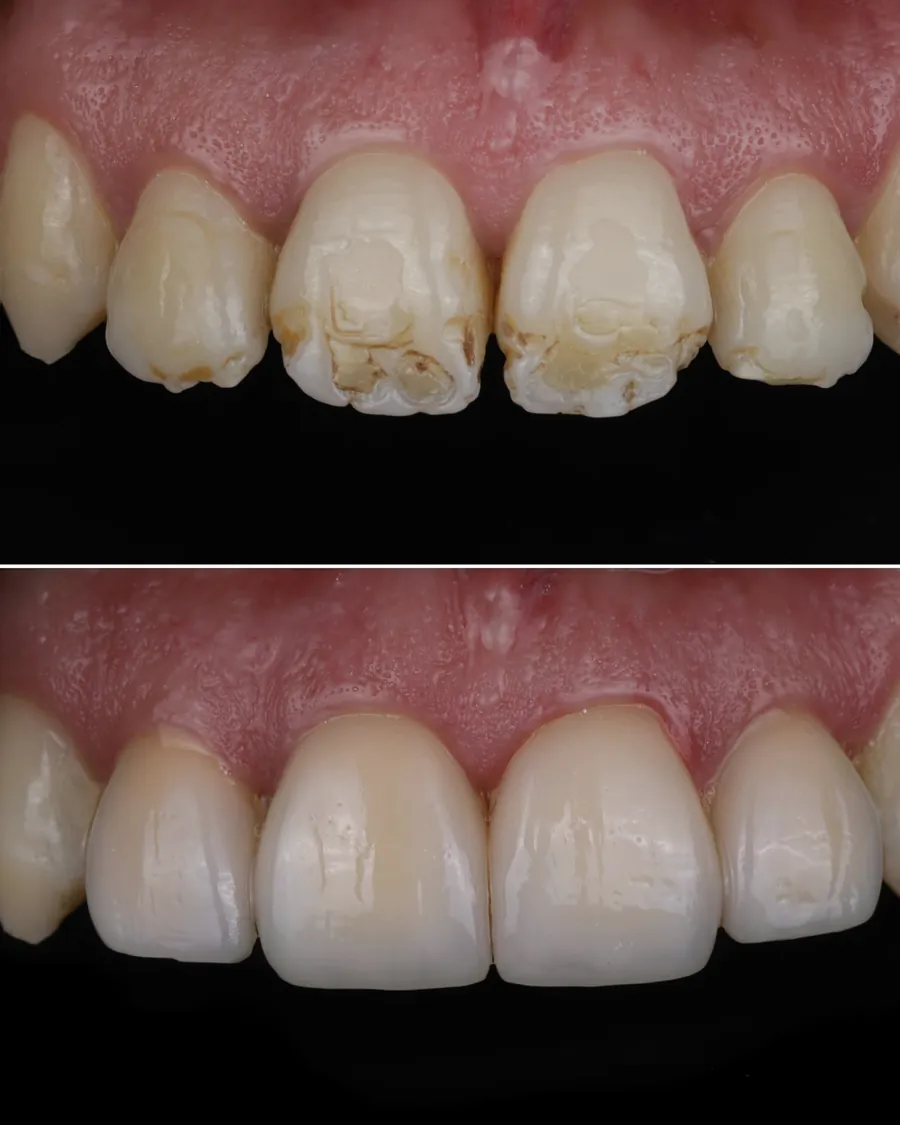
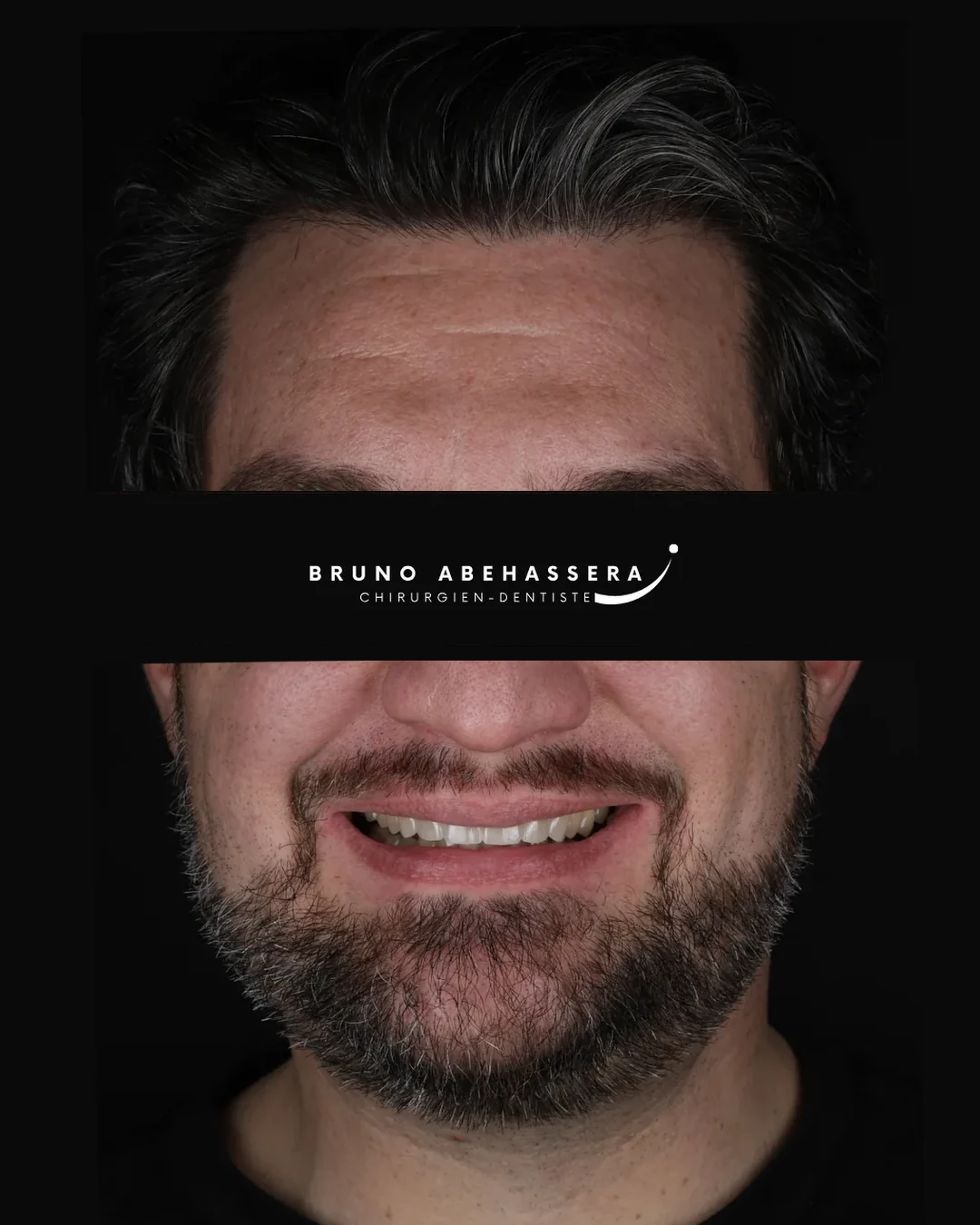
Clinical casesExamples of treatments performed
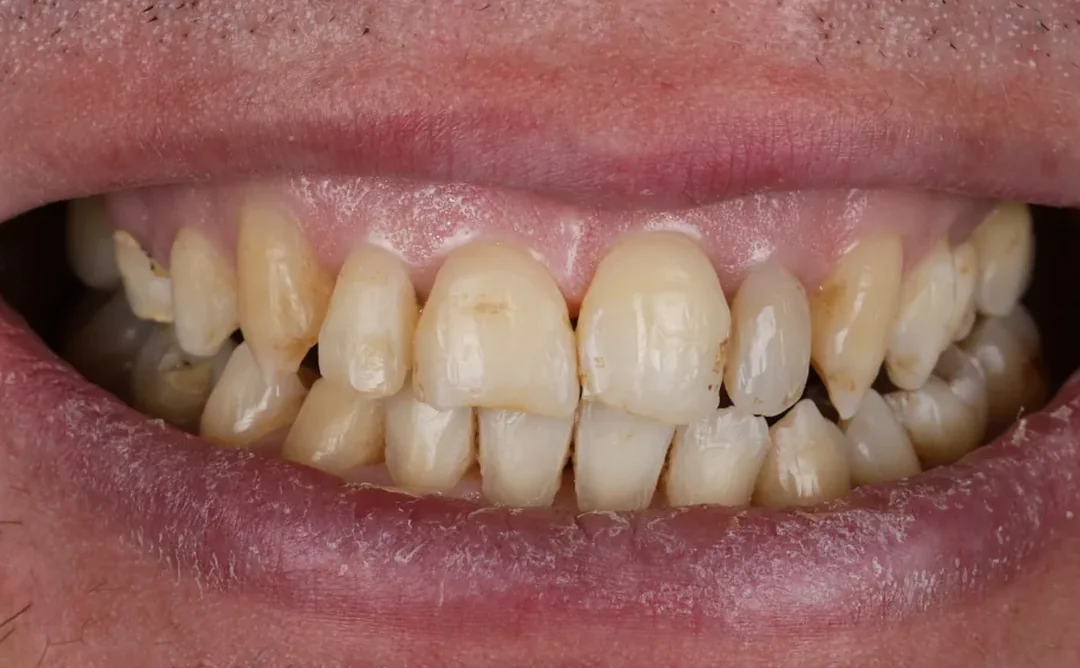
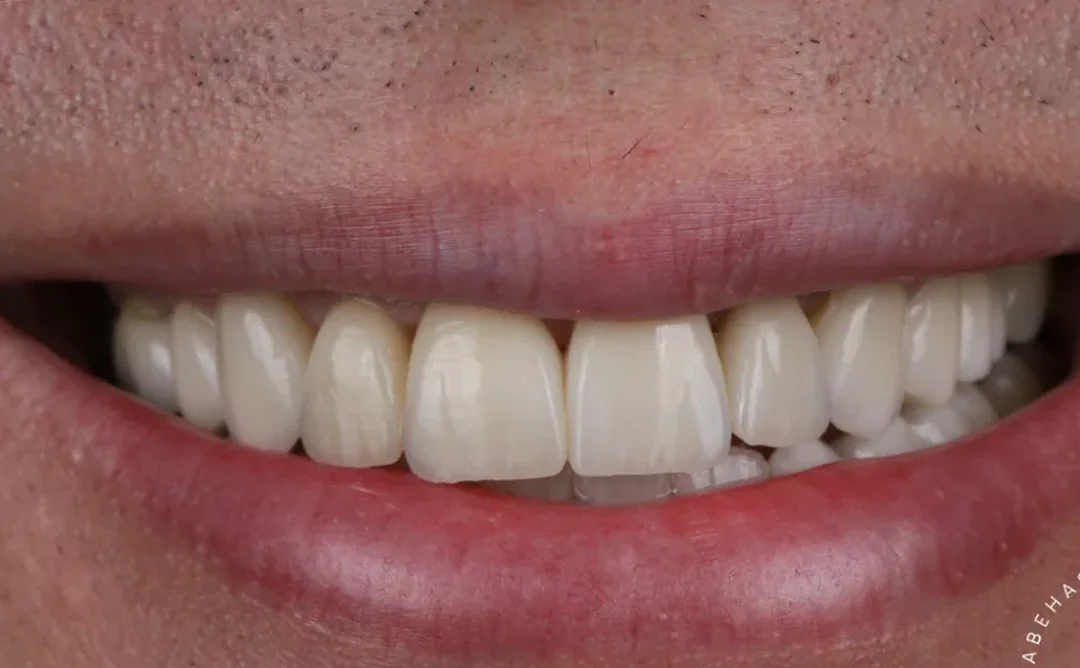 BeforeAfter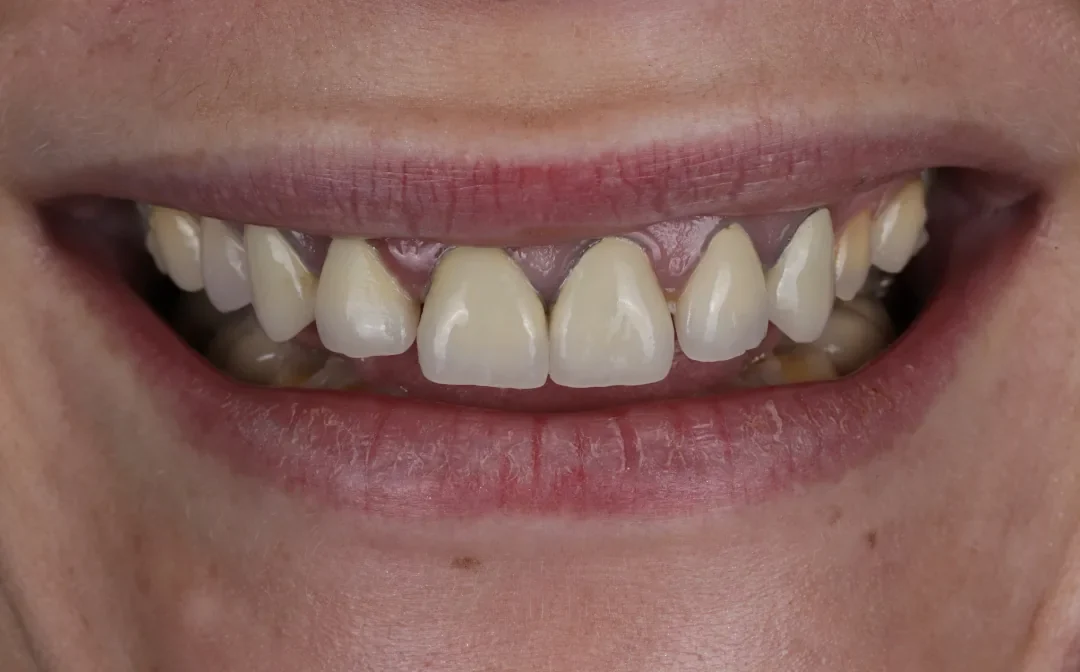
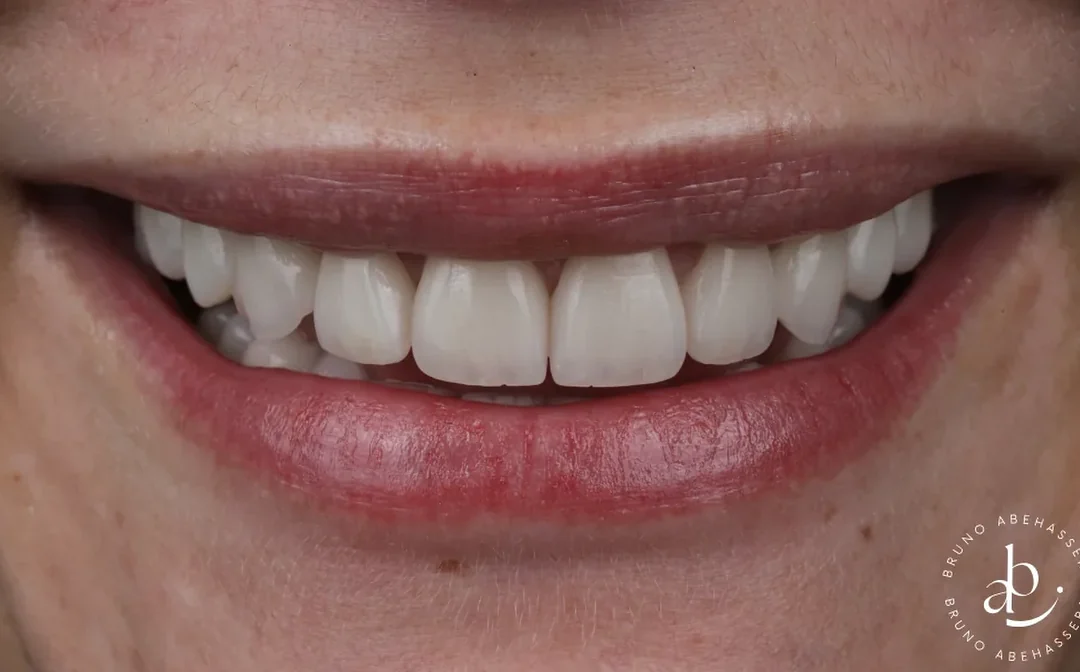 BeforeAfter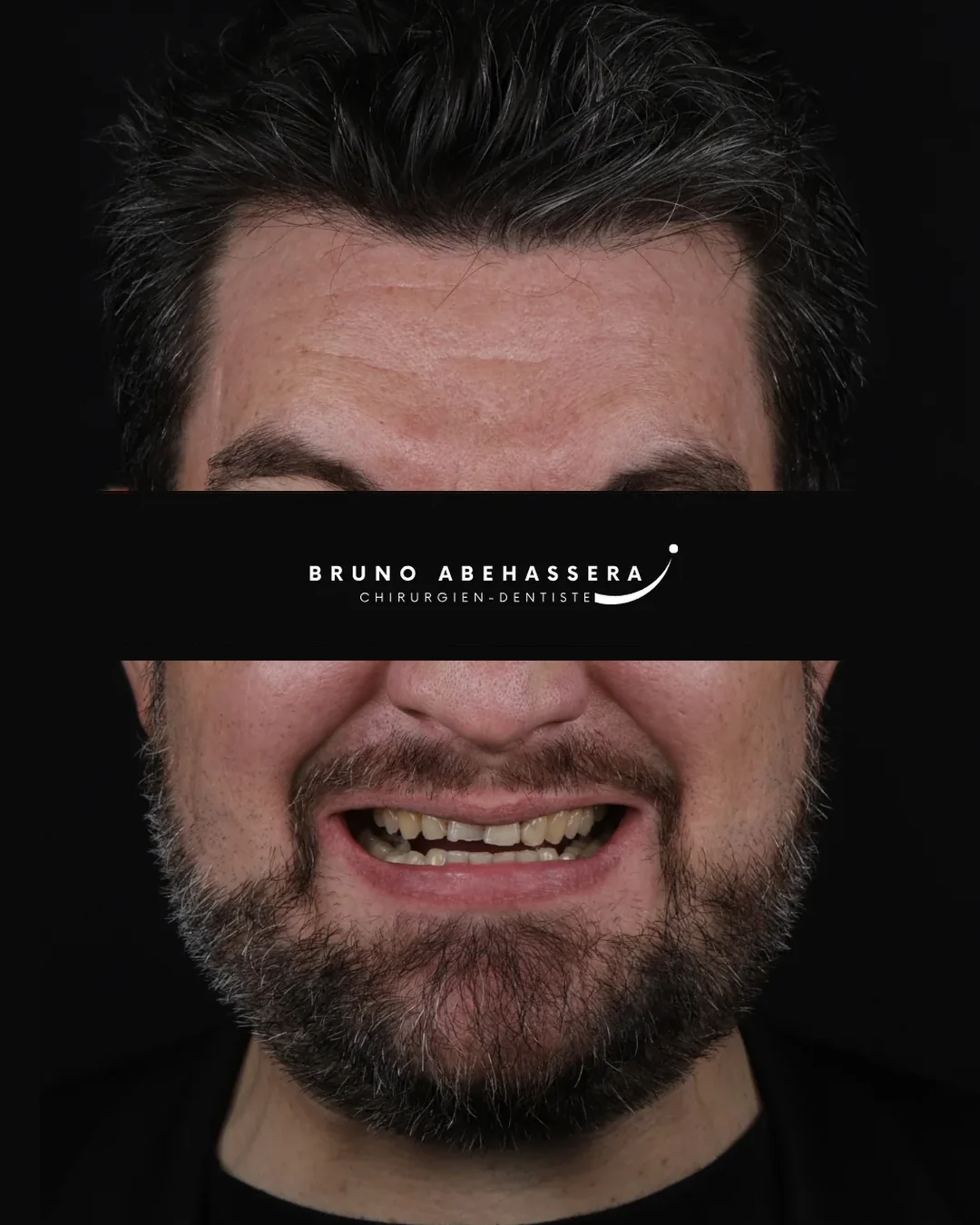
 BeforeAfter
Cost and reimbursementTreatment assessed case by case
The cost of treating tooth wear cannot be given without a prior clinical examination. Unlike a single procedure, treating wear relies on an overall analysis of the smile and the bite, whose complexity varies considerably from one patient to another. Each quote is personalised and drawn up after a dedicated cosmetic consultation.
Several factors determine the treatment plan and its cost: the stage of wear (preventive, interceptive or full rehabilitation), the number of teeth involved, whether an increase in the vertical dimension is needed, the use of direct or indirect adhesive techniques, and whether a protective night guard or additional examinations (in-depth bite analysis, 3D imaging) are needed.
Reimbursement varies depending on the procedures carried out. Occlusal splints (night guards) and simple adhesive fillings are generally procedures listed in the French official fee schedule (CCAM), partly covered by French national health insurance (Sécurité sociale). Complex adhesive rehabilitations, on the other hand, often involve additional fees or fees agreed directly with the patient (entente directe), not reimbursed by French national health insurance but eligible for a dental allowance from your top-up health insurance (mutuelle), depending on the plan.
Before any commitment, Dr Bruno Abehassera gives the patient a written treatment plan detailing the proposed procedures, their sequence and their total cost. This document serves as a personalised quote and allows you to request cover in advance from your top-up health insurance. No rehabilitation work begins until the quote has been approved.
To assess your situation, book an appointment online on Doctolib or contact the practice in Levallois-Perret directly. The initial cosmetic consultation makes it possible to reach a precise clinical diagnosis, determine the appropriate level of treatment and provide a detailed quote at the end.
A practice in Levallois-PerretA setting dedicated to the rehabilitation of tooth wear
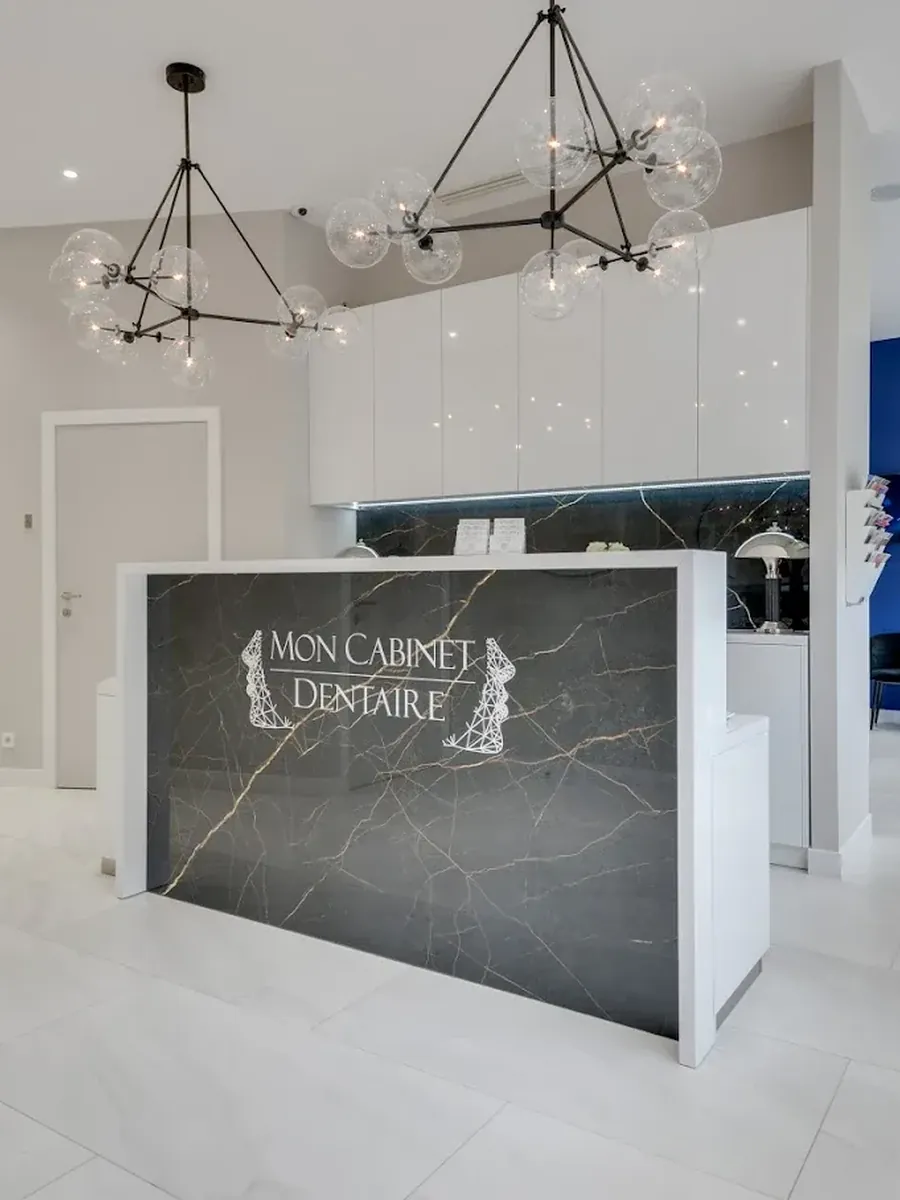
Mon Cabinet Dentaire, where Dr Bruno Abehassera practises, is located at 119 rue du Président Wilson, Levallois-Perret (92300), in the heart of the Hauts-de-Seine. Patients come from all over the Paris area for the treatment of tooth wear. This approach combines a precise diagnosis of the causes, a full analysis of the bite and a step-by-step treatment plan. It stands in contrast to a standardised or systematically prosthetic approach.
Many patients come from Neuilly-sur-Seine, the 17th and 16th arrondissements of Paris, Asnières, Clichy or Courbevoie. Being close makes it easier to come to the practice for tooth wear treatment at the practice in Levallois-Perret. This treatment requires a cosmetic consultation beforehand, followed by a diagnostic wax-up and a planned restorative sequence, then follow-up over time to check that the result remains stable.
The practice is easy to reach from:
- Levallois-Perret (metro line 3, Pont de Levallois station)
- Neuilly-sur-Seine (5 to 10 minutes by car)
- Paris 17th and 16th (10 to 20 minutes)
- Asnières, Clichy, Courbevoie and La Défense (10 to 20 minutes)
Some patients also travel further for tooth wear treatment provided by a dentist with specific training. Dr Bruno Abehassera holds a University Diploma in Smile Aesthetics (Diplôme Universitaire d'Esthétique du Sourire, University of Strasbourg) and has completed private training courses dedicated to rehabilitation protocols for dental erosion and wear. This approach combines a precise diagnosis of the causes, a full analysis of the bite and a step-by-step treatment plan rather than a standardised or systematically prosthetic approach. The choice between a single procedure and a full rehabilitation depends on the diagnosis. It is an integral part of the initial cosmetic consultation.
Appointments for a consultation can be booked online via Doctolib or by phone on +33 1 42 67 05 04. Consultations can be held in English. The initial cosmetic consultation makes it possible to assess precisely the stage of wear and its causes. It is also an opportunity to discuss whether treatment could be part of a veneers or layered composite project. A detailed quote is then provided. No commitment is required at this stage.
Frequently asked questionsWhat patients ask me most often
What is tooth wear?
Tooth wear is a progressive and irreversible loss of tooth tissue, caused by repeated mechanical or chemical stress. It should never be seen as a merely cosmetic issue or simply a matter of age. When it is early, marked or asymmetrical, it almost always reflects a functional or environmental imbalance that deserves a precise diagnosis.
Is it normal for teeth to wear down over time?
Mild wear is physiological and goes with the natural ageing of tooth enamel. On the other hand, marked, early or asymmetrical wear is abnormal. It most often reflects an imbalance linked to bruxism or bite problems. An acidic diet or gastro-oesophageal reflux can also be involved. A consultation makes it possible to identify the cause.
What are the main causes of tooth wear?
The most common causes are bruxism (daytime or night-time), bite problems, parafunctional habits and acid erosion. The latter is linked to diet, gastro-oesophageal reflux or overly aggressive brushing. In most cases, several factors occur together. That is why a precise analysis of the causes always comes before a treatment plan is put in place.
Why should tooth wear be taken seriously?
Because it weakens the teeth and makes fractures, sensitivity, and muscle or joint pain more likely, and it gradually upsets the balance of the smile. The further it progresses, the more it complicates future treatment: lost tissue can never be recovered, and some rehabilitations become unavoidable if action is not taken early.
Does tooth wear always need treatment?
No. Treatment depends on the stage, the progression and the symptoms. Sometimes simple monitoring with control of the risk factors is enough (preventive approach). Sometimes a non-invasive interceptive treatment - with no preparation of the teeth - is needed to stabilise the damage. In advanced cases, a full rehabilitation is needed to restore function and appearance.
What is the practice's philosophy for treating tooth wear?
At the practice in Levallois-Perret, Dr Bruno Abehassera favours a conservative, step-by-step approach. The principle: understand and control the cause before restoring, preserve the natural tissues, and choose the least invasive option compatible with the clinical stage. This approach draws on the principles of modern adhesive dentistry and on the therapeutic gradient.
Why avoid preparing or crowning worn teeth too early?
Because any preparation is irreversible. On teeth that are worn but still healthy, preparing them for crowns sacrifices healthy tissue and sets off a cascade of future re-treatments. It is essential to keep future treatment options open, especially for young patients or those whose wear is progressing. No-preparation adhesive techniques now make it possible to stabilise the teeth without removing tooth structure.
What options can be offered first, and what are their limits?
Additive restorations in composite or partial porcelain often make it possible to restore function and appearance without sacrificing the tooth. Composite options are more transitional and need regular maintenance. They are not suitable for every situation, particularly when the wear is very advanced or generalised. The choice is always made after a full diagnosis.
When should a more comprehensive rehabilitation be considered?
When the wear is advanced, generalised or associated with a loss of height in the lower part of the face. A comprehensive approach, based on a controlled increase in the vertical dimension, then becomes necessary to restore a lasting functional and aesthetic balance. In these cases, a partial correction creates compensations that are difficult to stabilise over time.
Can tooth wear be slowed down or stabilised?
Yes, by precisely identifying the factors responsible, then eliminating or controlling them before the teeth are even restored. This may include a protective night guard for bruxism, treatment of gastro-oesophageal reflux, changes to eating habits or correction of an unfavourable bite. This is what makes the treatment last.
How much does tooth wear treatment cost at the practice?
The cost varies considerably from one patient to another. It depends on the stage of wear, the number of teeth involved, whether an increase in the vertical dimension is needed, and whether direct or indirect adhesive techniques are used. No fee can be given without a prior clinical examination. A personalised quote is always provided after the initial cosmetic consultation, with a precise breakdown of the proposed procedures.
Can tooth wear treatment be combined with an overall smile project?
Yes. When the wear affects the front teeth visible when smiling, the treatment can be included in a broader project. This project may include porcelain veneers, layered composite or whitening beforehand. The diagnostic wax-up made at the outset makes it possible to visualise the result and to organise the different procedures in the most conservative sequence possible.
Written by Dr Bruno Abehassera, dental surgeon · Updated