
Hyaluronic acid injectionsA treatment that complements dental care
The beauty of a smile is not just about the teeth. The lips, the chin and the structures around the mouth play a full part in the balance of the smile and the harmony of the lower face.
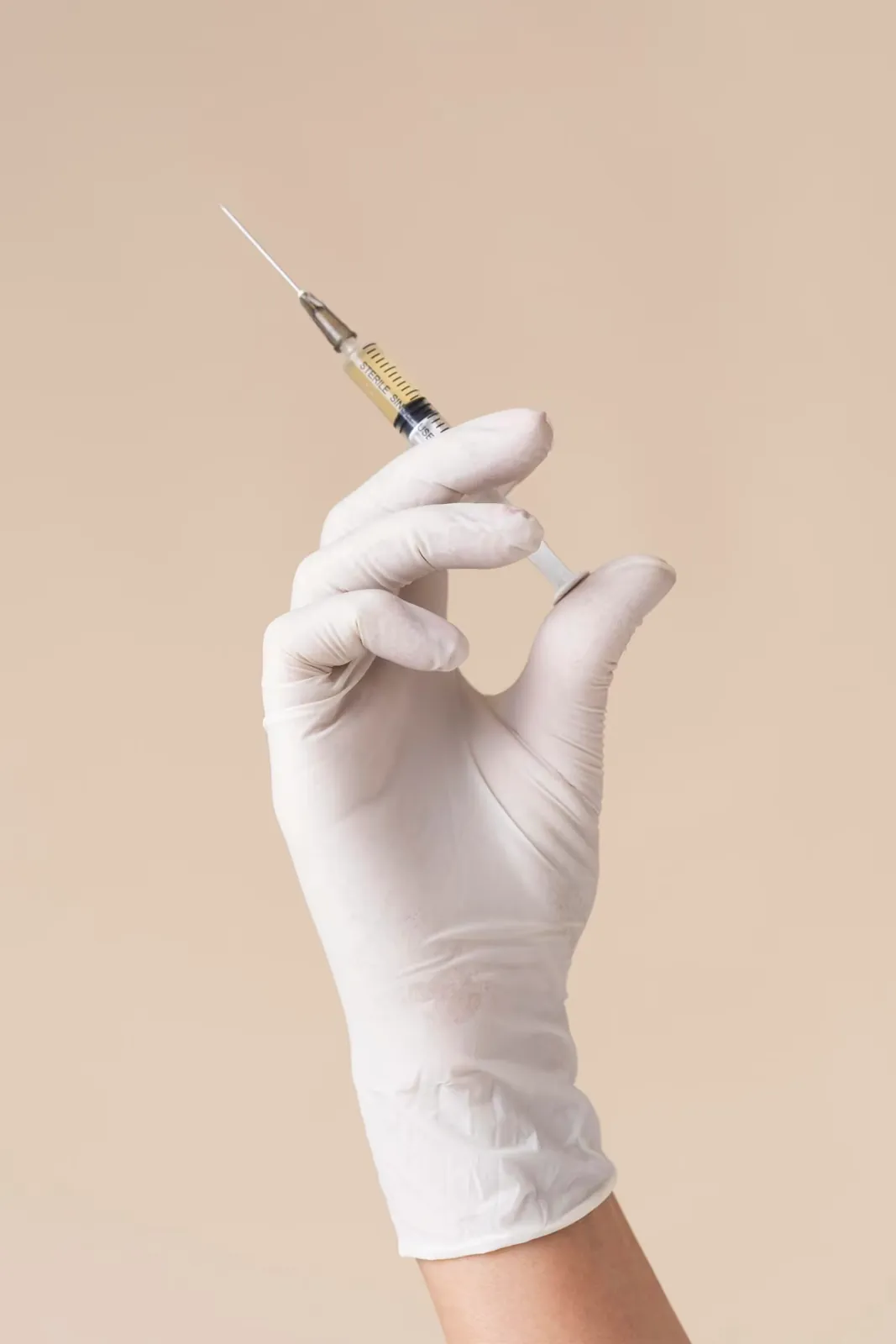
Hyaluronic acid is a substance naturally present in the body, known for its viscoelastic and biomimetic properties. Injected precisely into the areas around the mouth that dental surgeons are authorised to treat, it can restore volume, support the tissues and soften certain lines such as the nasolabial folds, marionette lines or fine lines around the mouth, alongside existing dental treatment.
At the practice in Levallois-Perret, these injections are part of a considered therapeutic approach, aimed at making a dental result more coherent without changing the features of the face. No injection is ever performed outside the legal scope of practice of a dental surgeon.
As the holder of a University Diploma in Hyaluronic Acid Injections for therapeutic purposes (Diplôme Universitaire, Université d'Evry, 2023), I perform these procedures within a strict, safe and personalised medical framework, in line with the indications authorised by article R.4127-218 of the French Public Health Code (Code de la santé publique) and the Code of Ethics for Dental Surgeons (Code de déontologie des chirurgiens-dentistes).
IndicationsWhen should injections be considered?
Lips
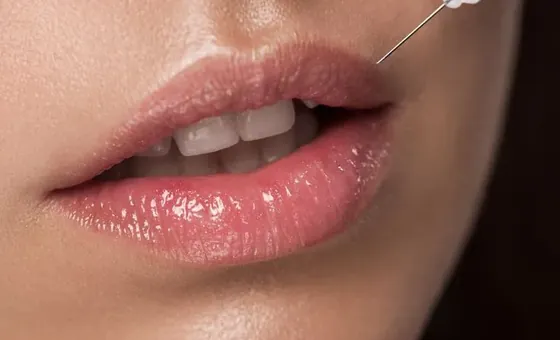
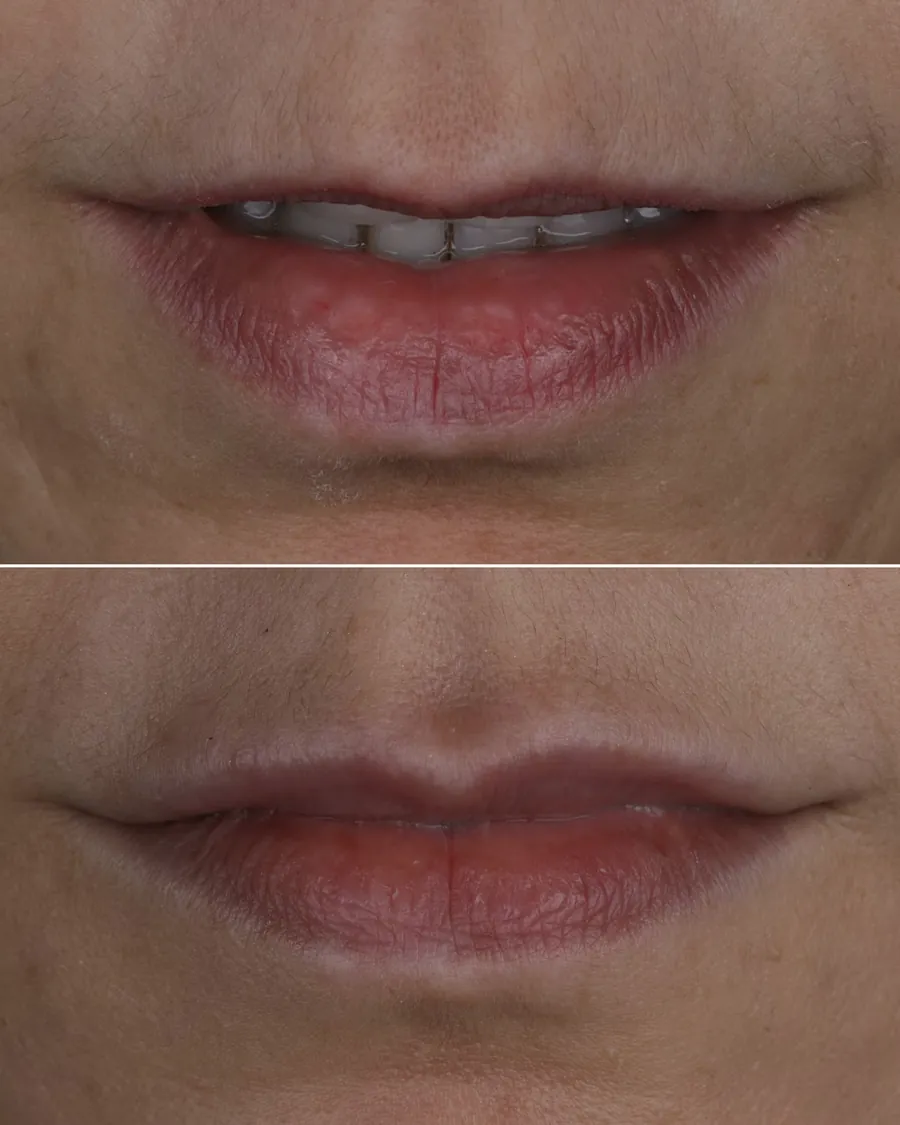
Redefining the outline and restoring the volume of the lips when lip support is insufficient, due to ageing, asymmetry or loss of definition of the vermilion.
Nasolabial folds
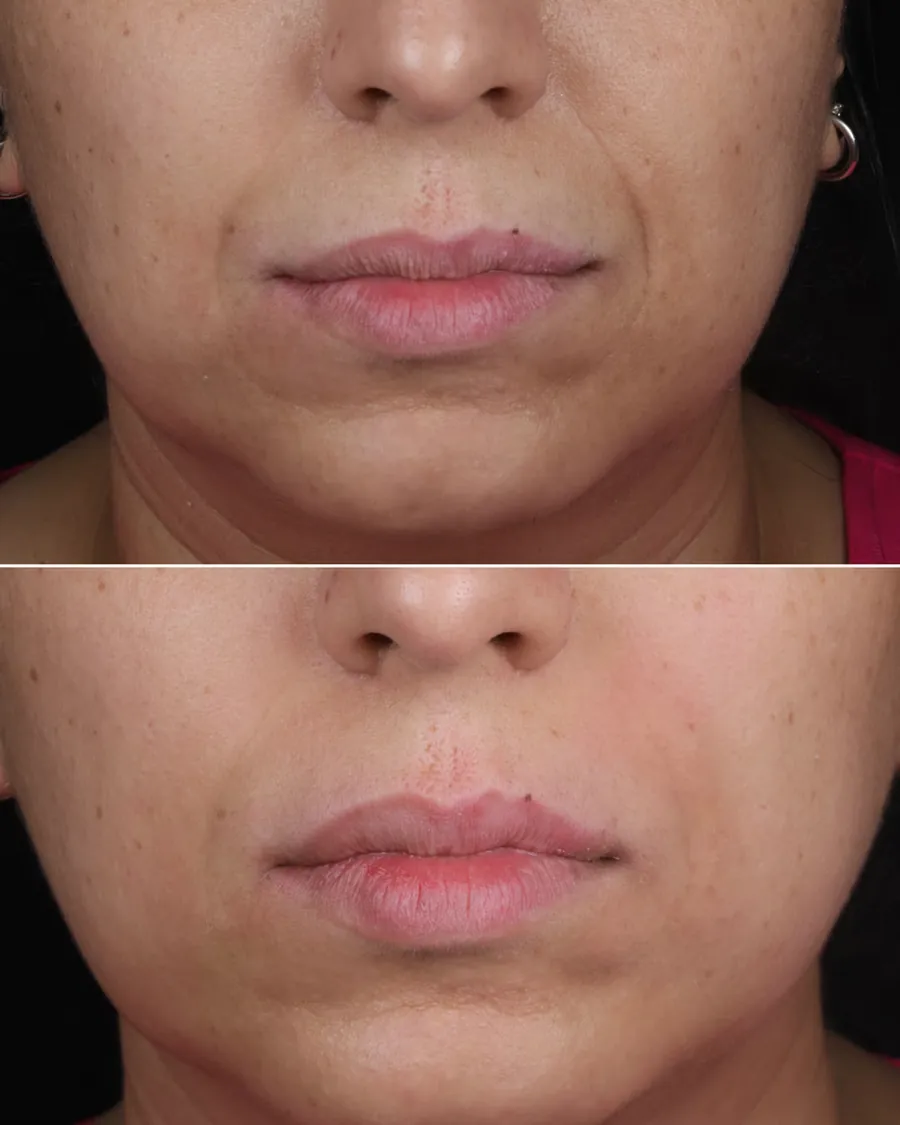
Softening the hollows between the nose and the corners of the mouth, deepened by skin ageing, loss of deep tissue or the sagging of the mid-face.
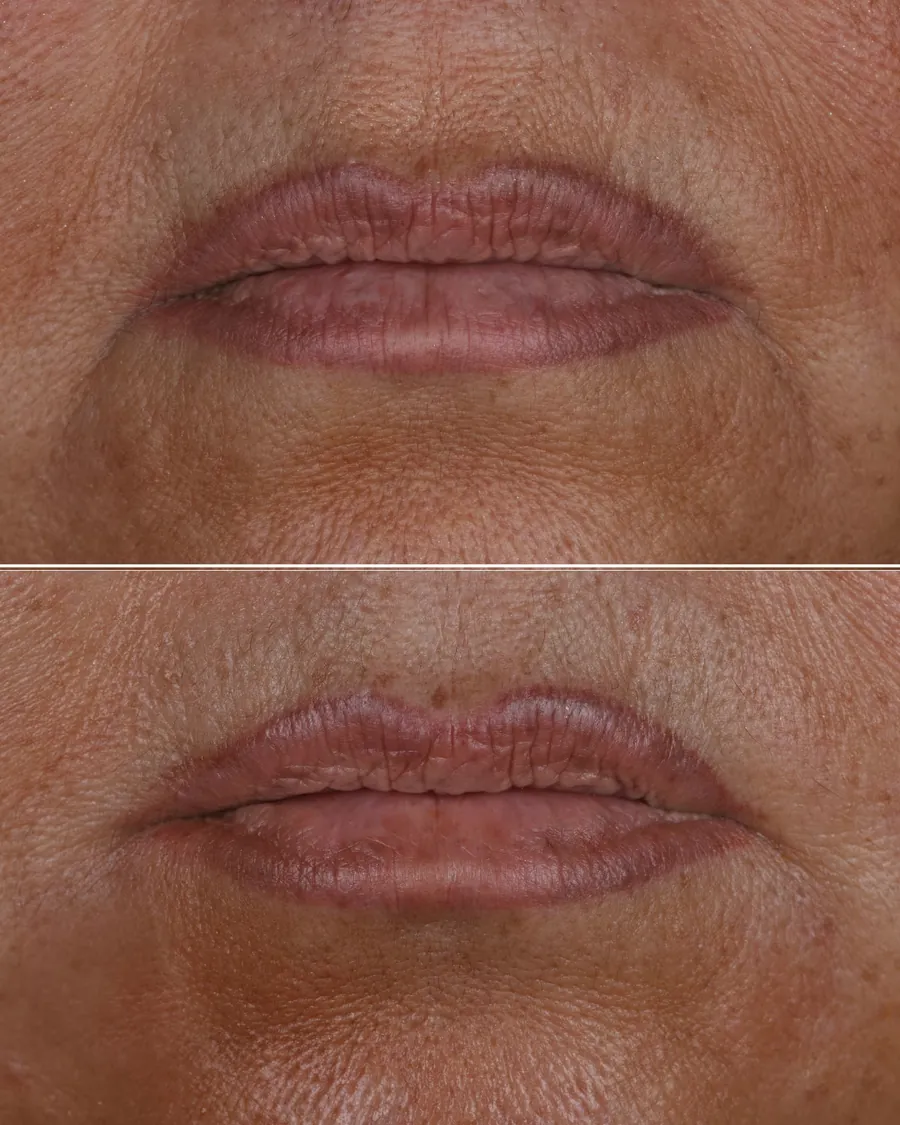
Marionette lines
Correcting the downturned folds at the corners of the mouth, which give a tired or stern look, by restoring discreet support to the tissues.
Treatment philosophyA measured complement to smile treatment
In my practice, hyaluronic acid injections are not a stand-alone treatment, but a therapeutic complement to comprehensive care of the smile.
They are considered when certain structures of the lower face - lips, nasolabial folds, support around the mouth - affect how the dental result and the overall harmony are perceived.
The aim is not to change the features, but to restore balance, support the tissues and accompany natural ageing in a gradual, natural way.
Cross-linking and areaWhich gel for which structure?
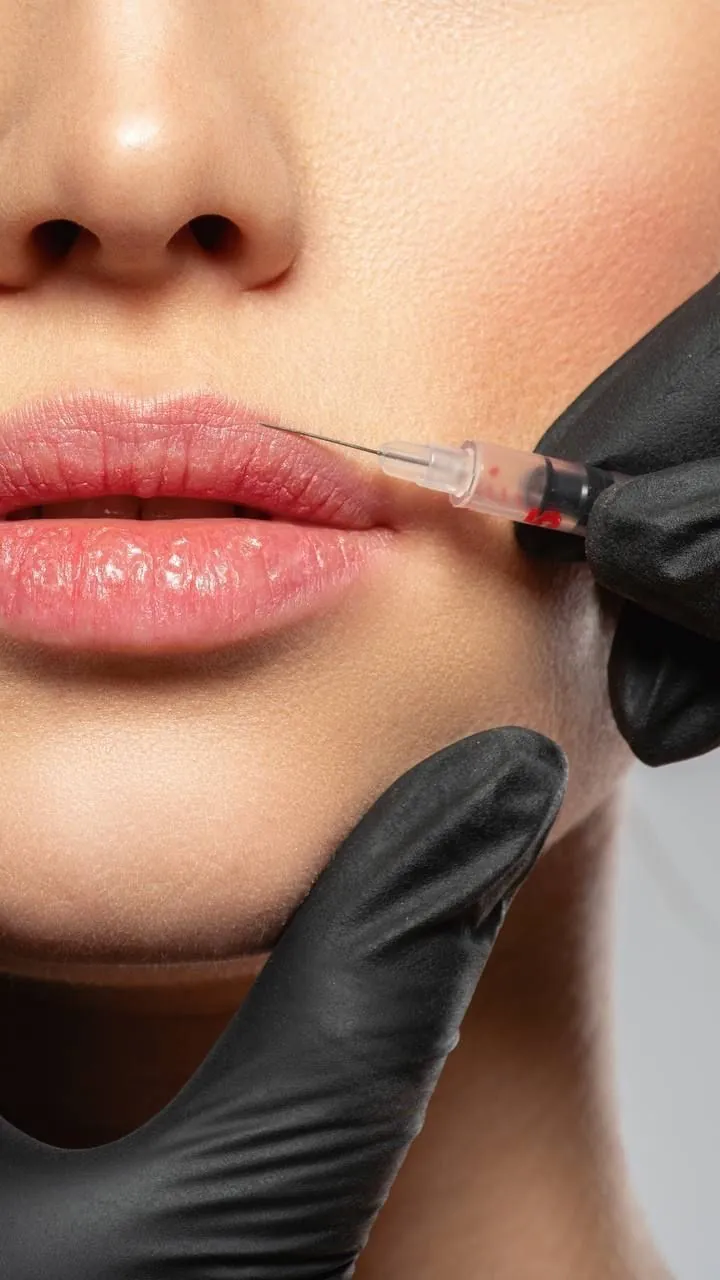
Not every area around the mouth is treated with the same type of hyaluronic acid gel. Cross-linking, which is the degree of chemical bonding between the hyaluronic acid chains, determines the product's viscoelasticity, its resistance to breakdown and how it behaves in the tissues. The higher the cross-linking, the denser the gel and the better suited to deep structures. The lower it is, the softer the gel and the better suited to mobile tissues such as the lips. At the practice, the choice is made case by case, according to the anatomy and the aesthetic goal.
The choice of gel is never standardised: it depends on your facial structure, your tissue type, the aesthetic goal discussed at the consultation and the movement of the smile observed. At the aesthetic consultation, Dr Bruno Abehassera carries out a full examination of the structures around the mouth and suggests a suitable injection protocol, possibly alongside a veneers, composite bonding or whitening project.
← Swipe to compare →
| Area treated | Cross-linking | Injection depth | Average volume |
|---|---|---|---|
| Lips | Low (1/3) | Mid to deep dermis | 0.5 to 1 syringe |
| Nasolabial folds | Medium (2/3) | Deep dermis or subcutaneous | 1 to 2 syringes |
| Marionette lines | Medium (2/3) | Deep dermis or subcutaneous | Usually 1 syringe |
Clinical casesExamples of treatments performed
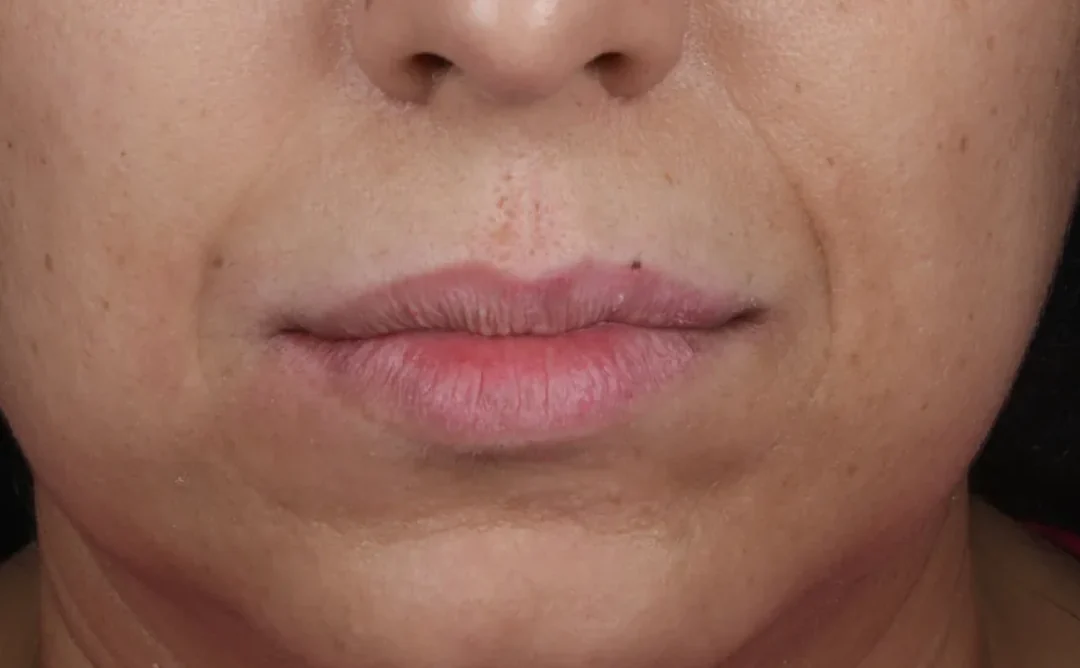
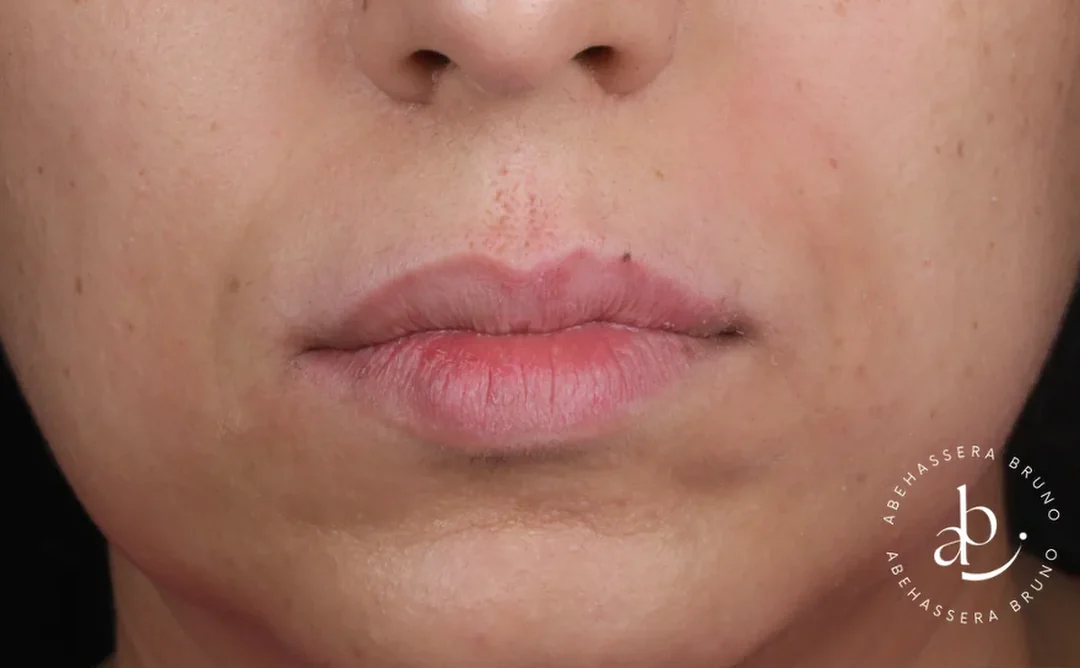 BeforeAfter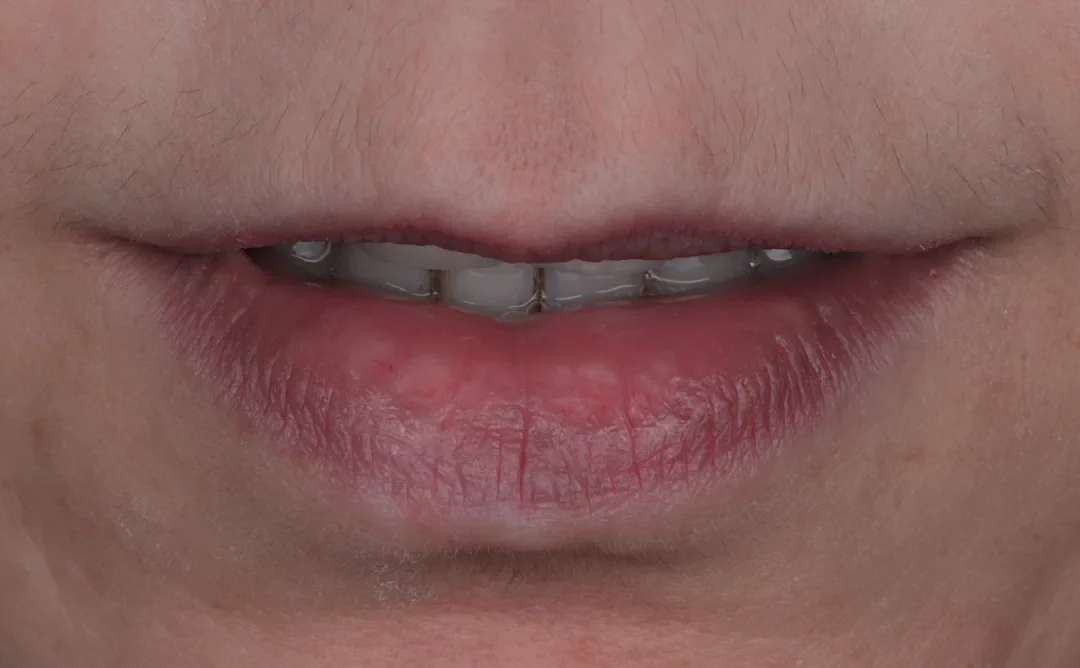
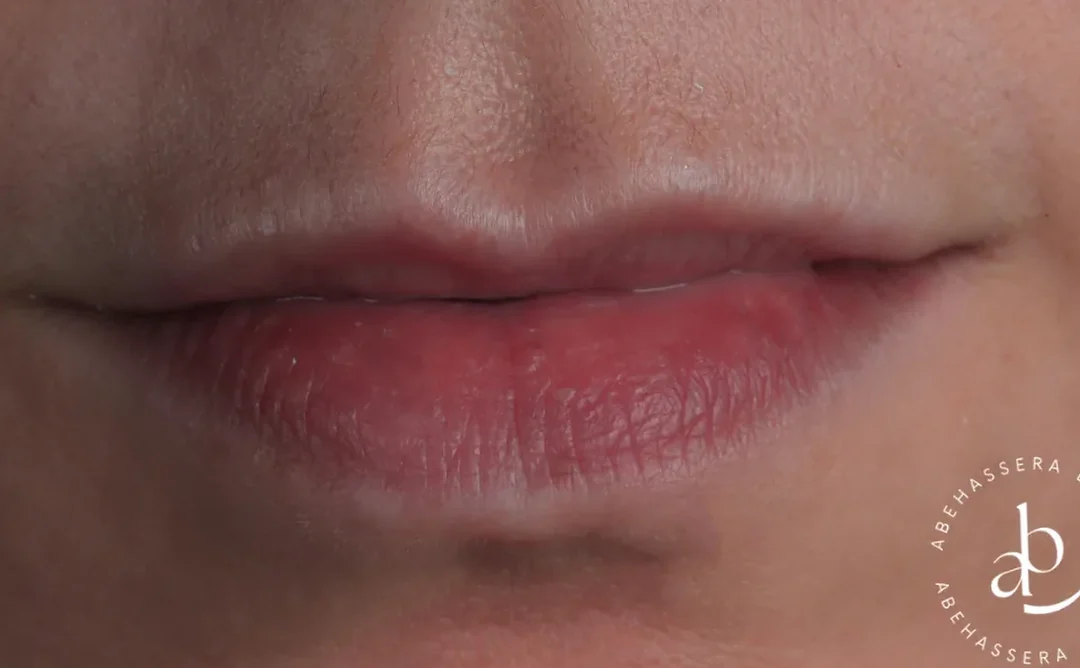 BeforeAfter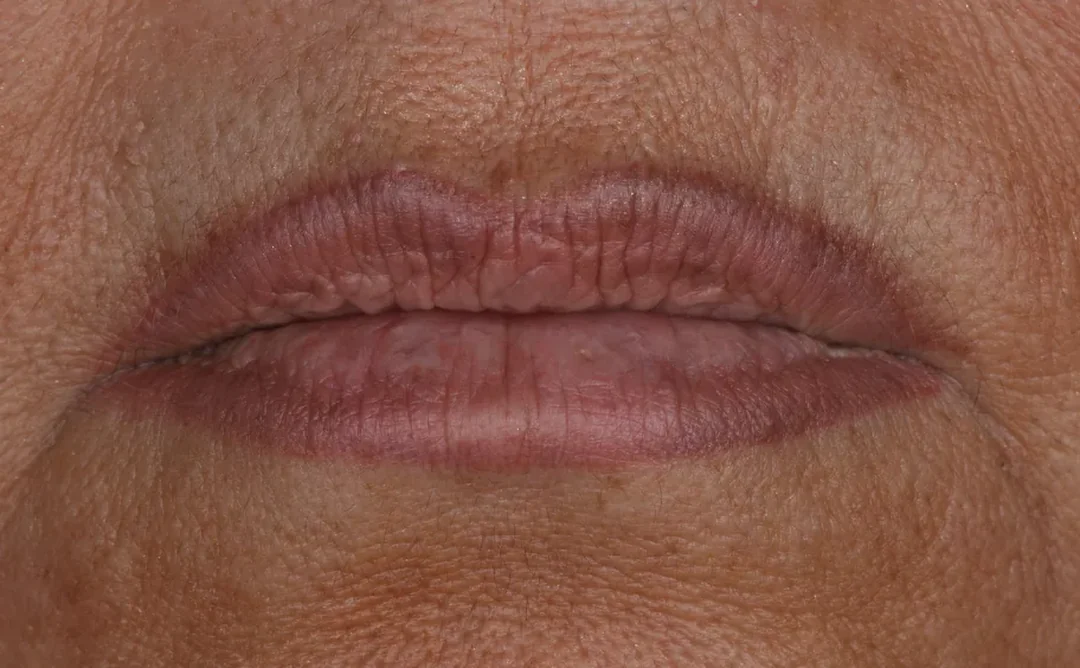
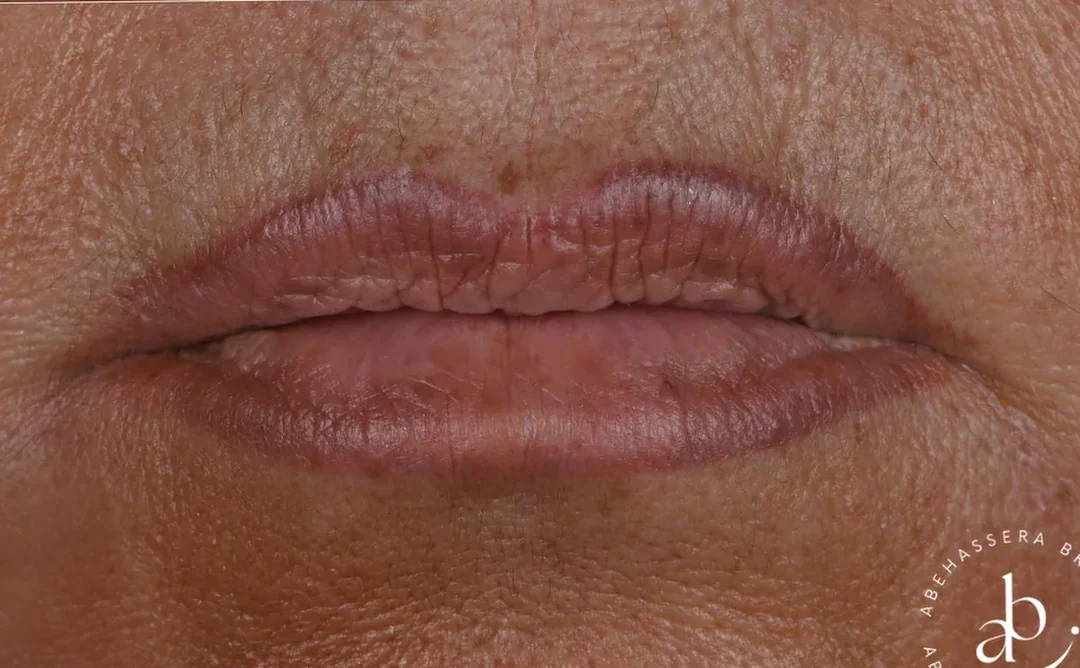 BeforeAfter
Cost and reimbursementInjection fees at the practice
Hyaluronic acid injections around the mouth are procedures outside the official fee schedule (hors nomenclature), with no reimbursement from French national health insurance (Sécurité sociale) or from standard top-up health insurance (mutuelles). Their fee is set by direct prior agreement between the practitioner and the patient, in accordance with article R.4127-240 of the French Public Health Code. At the practice in Levallois-Perret, the fee is the same for every area treated: it depends only on the number of syringes needed, decided at the aesthetic consultation according to your facial structure and your goals.
| Area treated | Average volume | Indicative fee |
|---|---|---|
| Lips | 0.5 to 1 syringe | €250 — €300 / syringe |
| Nasolabial folds | 1 to 2 syringes | €250 — €300 / syringe |
| Marionette lines | 1 syringe | €250 — €300 / syringe |
A procedure outside the official fee schedule, not reimbursed by French national health insurance or by standard top-up health insurance. Fee set by direct prior agreement in accordance with article R.4127-240 of the French Public Health Code. A personalised quote is provided at the aesthetic consultation.
For a personalised estimate suited to your project, we invite you to book an aesthetic consultation. Dr Bruno Abehassera carries out a full examination of the structures around the mouth, identifies the areas to treat and draws up a written quote setting out the number of syringes needed and the total cost of your treatment. Injections can be part of a wider project including porcelain veneers, composite bonding or teeth whitening, for an overall harmony of the smile.
A practice in Levallois-Perretclose to west Paris and the Hauts-de-Seine
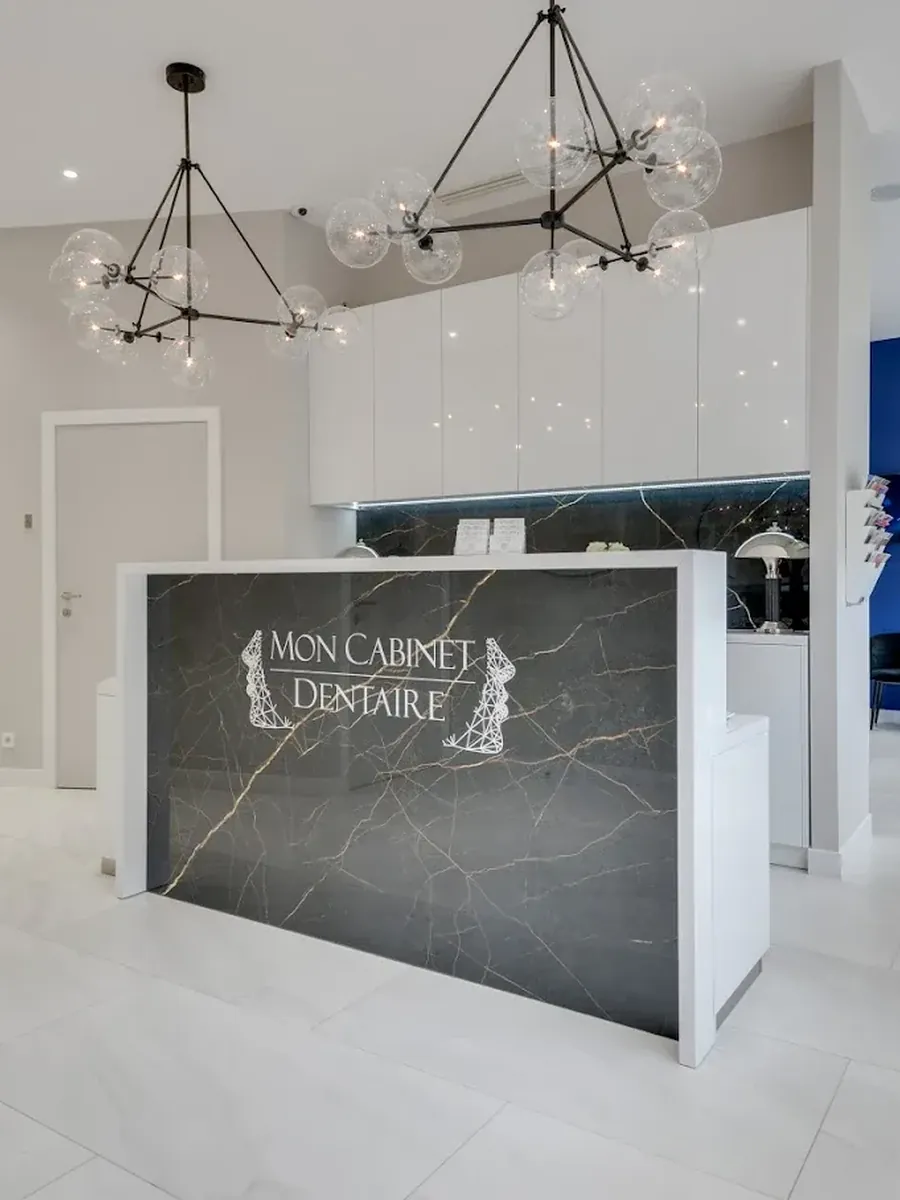
Mon Cabinet Dentaire, where Dr Bruno Abehassera practises, is located at 119 rue du Président Wilson, Levallois-Perret (92300), in the heart of the Hauts-de-Seine. It welcomes patients from all over the Paris area for hyaluronic acid injections around the mouth, performed within the legal scope of practice of a dental surgeon, as part of comprehensive cosmetic care of the smile.
Many patients come from Neuilly-sur-Seine, the 17th and 16th arrondissements of Paris, Asnières, Clichy or Courbevoie. Being close makes it easier to reach the practice for hyaluronic acid injections at the dental practice. This procedure requires an aesthetic consultation beforehand, followed by an injection session at the practice and a follow-up check some time later to confirm the result is stable.
The practice is easy to reach from:
- Levallois-Perret (metro line 3, Pont de Levallois station)
- Neuilly-sur-Seine (5 to 10 minutes by car)
- Paris 17th and 16th (10 to 20 minutes)
- Asnières, Clichy, Courbevoie and La Défense (10 to 20 minutes)
Beyond the immediate area, some patients travel for injections around the mouth carried out by a dental surgeon who holds a dedicated University Diploma. This approach combines a full clinical examination of the smile, a product chosen for each area and a tailored injection depth, rather than a standardised protocol. Whether the injections are a single procedure or part of a wider project (veneers, composites) depends on the diagnosis. It is an integral part of the initial aesthetic consultation.
Consultations can be booked directly online via Doctolib or by phone on +33 1 42 67 05 04. Consultations can be held in English. The initial aesthetic consultation makes it possible to assess the indications precisely. It is also a chance to discuss the choice of product and possible inclusion in a veneers or composite bonding project. A detailed quote is then provided. No commitment is asked of you at this stage.
Frequently asked questionsWhat patients ask me most often
Why offer hyaluronic acid injections alongside dental care?
In some cases, dental care alone is not enough to restore the overall balance of the smile. The lips, the nasolabial folds and the structures around the mouth play a part in how the dental result is perceived and in the harmony of the lower face. Hyaluronic acid can then bring the teeth into harmony with these surrounding structures, within a considered therapeutic approach, for a more coherent and natural result. It is a complement, never a stand-alone procedure.
Why are these injections performed by Dr Bruno Abehassera?
Dr Bruno Abehassera holds a University Diploma in Hyaluronic Acid Injections for therapeutic purposes (Diplôme Universitaire, Université d'Évry, 2023), a course specifically designed for dental surgeons. This university training governs the practice of injections in the area around the mouth, in accordance with article R.4127-218 of the French Public Health Code. The procedures are carried out within a strict, safe and personalised medical framework, consistent with the comprehensive smile care offered at the practice in Levallois-Perret.
Is it a cosmetic or a medical procedure?
It is a medical procedure with a cosmetic purpose. The injected hyaluronic acid is a CE-marked medical device, administered by a qualified healthcare professional in strict compliance with the ethical framework. The purpose is cosmetic - restoring volume, supporting the tissues, harmonising the smile - but the procedure is a regulated medical practice, governed by the French Public Health Code and the Code of Ethics for Dental Surgeons.
Is a dental surgeon allowed to perform hyaluronic acid injections?
Yes, but within strictly defined limits. Article R.4127-218 of the French Public Health Code authorises dental surgeons to perform hyaluronic acid injections only in the mouth and the area around the mouth - lips, nasolabial folds, marionette lines - in connection with dental function and the harmony of the smile. Areas of the face outside this scope (cheekbones, temples, under-eye hollows, forehead) fall under aesthetic medicine and require a specialised doctor. This distinction helps ensure patient safety.
Which areas can be treated?
At the practice, three areas around the mouth are treated: the lips (adding volume, redefining the outline, vermilion), the nasolabial folds (the hollows between the nose and the mouth) and the marionette lines (downturned corners of the mouth). The choice of hyaluronic acid gel depends on the area, the injection depth required and the cross-linking suited to the target tissue. The deeper and more structural the area, the higher the cross-linking of the gel used.
Is it painful?
Discomfort is generally moderate and well tolerated. An anaesthetic cream is applied to the skin 15 to 20 minutes before the injection. For the lips, which are particularly sensitive, local anaesthesia by infiltration may be offered - it removes sensation, but can slightly reduce dynamic precision during the procedure. The hyaluronic acid gels used also contain 0.3% lidocaine built into the product, which gradually reduces discomfort as the injection progresses.
Is the result visible straight away? Does it change the features of the face?
The result is visible immediately after the injection, but it evolves over the following 7 to 14 days: the post-injection swelling goes down, the gel integrates into the tissues and the final volume stabilises. The aim is never to change the features of the face but to restore balance: redefining a lip outline, supporting an area that has sagged, harmonising the lower face with the restored smile. A well-injected patient does not look "transformed" - they look rested and coherent.
How long does the result last?
On average 6 to 9 months, sometimes longer depending on the area, the patient's metabolism and the product used. Hyaluronic acid is a biodegradable substance that the body gradually reabsorbs. It is therefore not a permanent treatment: maintenance sessions can be considered once or twice a year to maintain the result. This gradual reabsorption is an advantage in terms of safety: if a result is not right, it fades naturally over time.
Are there any risks?
Like any medical procedure, hyaluronic acid injections carry risks, but they remain rare and well documented when the procedure is performed by a trained practitioner. Common, minor side effects are bruising, swelling or redness at the injection site, which subside within a few days. Rare complications (granulomas, vascular necrosis, infection) are minimised by a rigorous injection technique, strict asepsis and traceability of the product. Every risk is discussed with the patient at the prior consultation. In the event of a serious complication, immediate referral to a specialised doctor is arranged.
What are the contraindications to hyaluronic acid injections?
The main contraindications are pregnancy and breastfeeding, active autoimmune diseases, anticoagulant treatment (to be adjusted), an active skin infection at the injection site, a history of allergy to any component of the product, and certain skin conditions (lupus, scleroderma). A prior consultation makes it possible to assess these contraindications, review the patient's medical history and decide whether the procedure can be considered safely.
What precautions should be taken after the injections?
For 24 to 48 hours after the injection: avoid strong sun exposure, sport, saunas, hot baths, alcohol and massaging the treated area. For 7 days, avoid aggressive cosmetic treatments (peels, laser) on the area. Applying cold locally during the first few hours reduces swelling. Do not touch or press the injected area. A check-up appointment may be offered after 1 week to confirm the result is stable. If you notice any unusual side effect, contact the practice immediately on +33 1 42 67 05 04.
Written by Dr Bruno Abehassera, dental surgeon · Updated